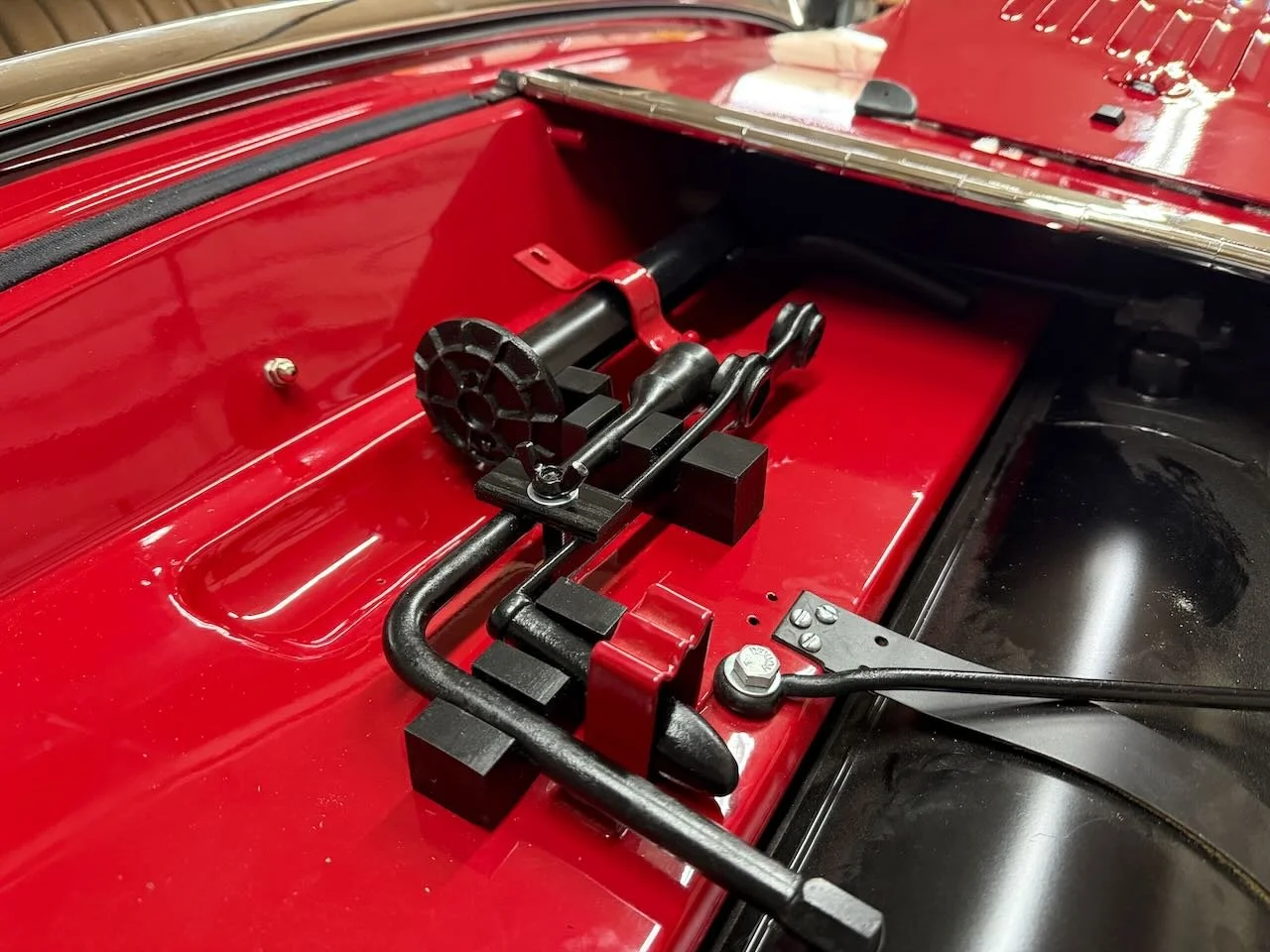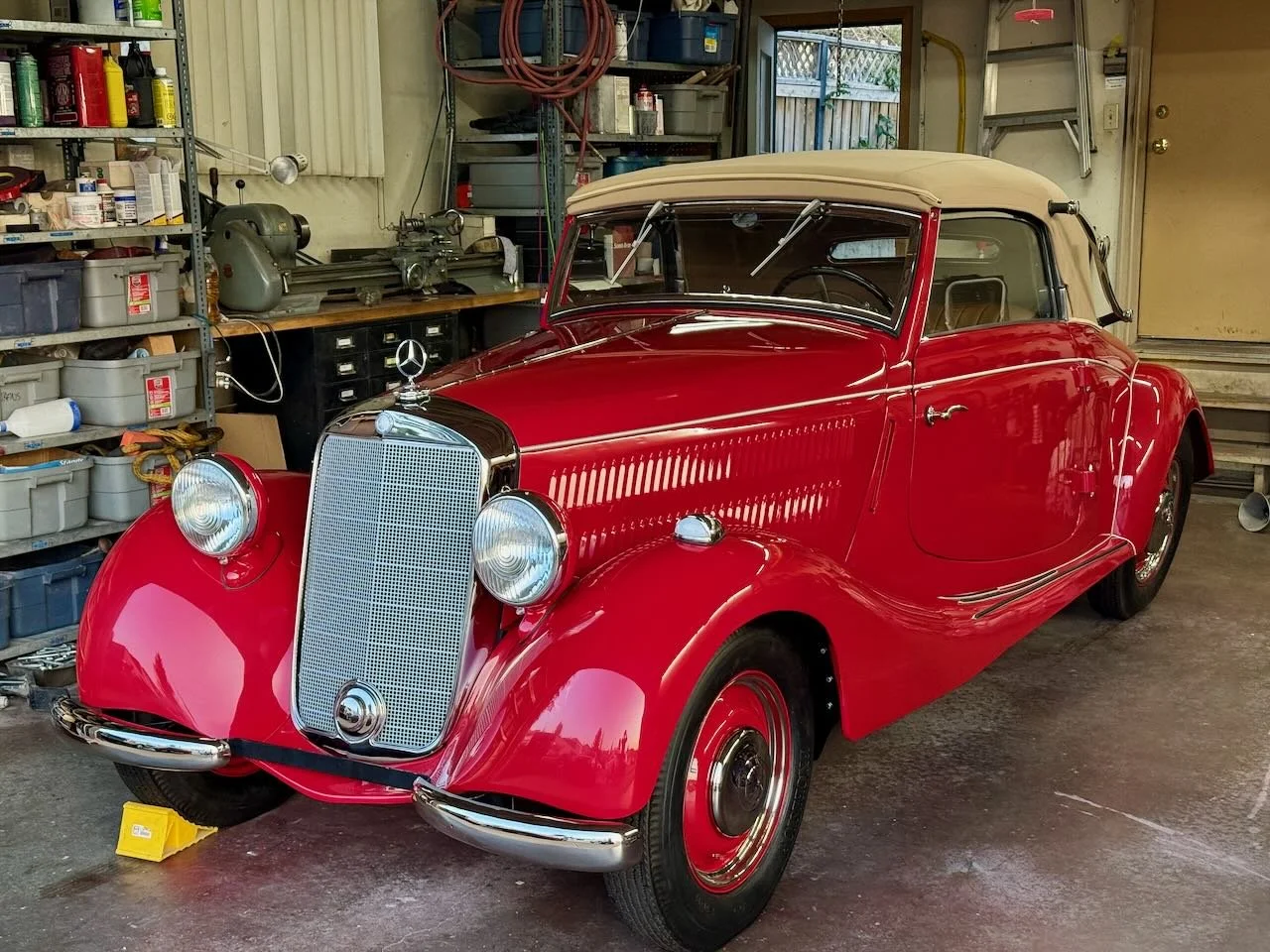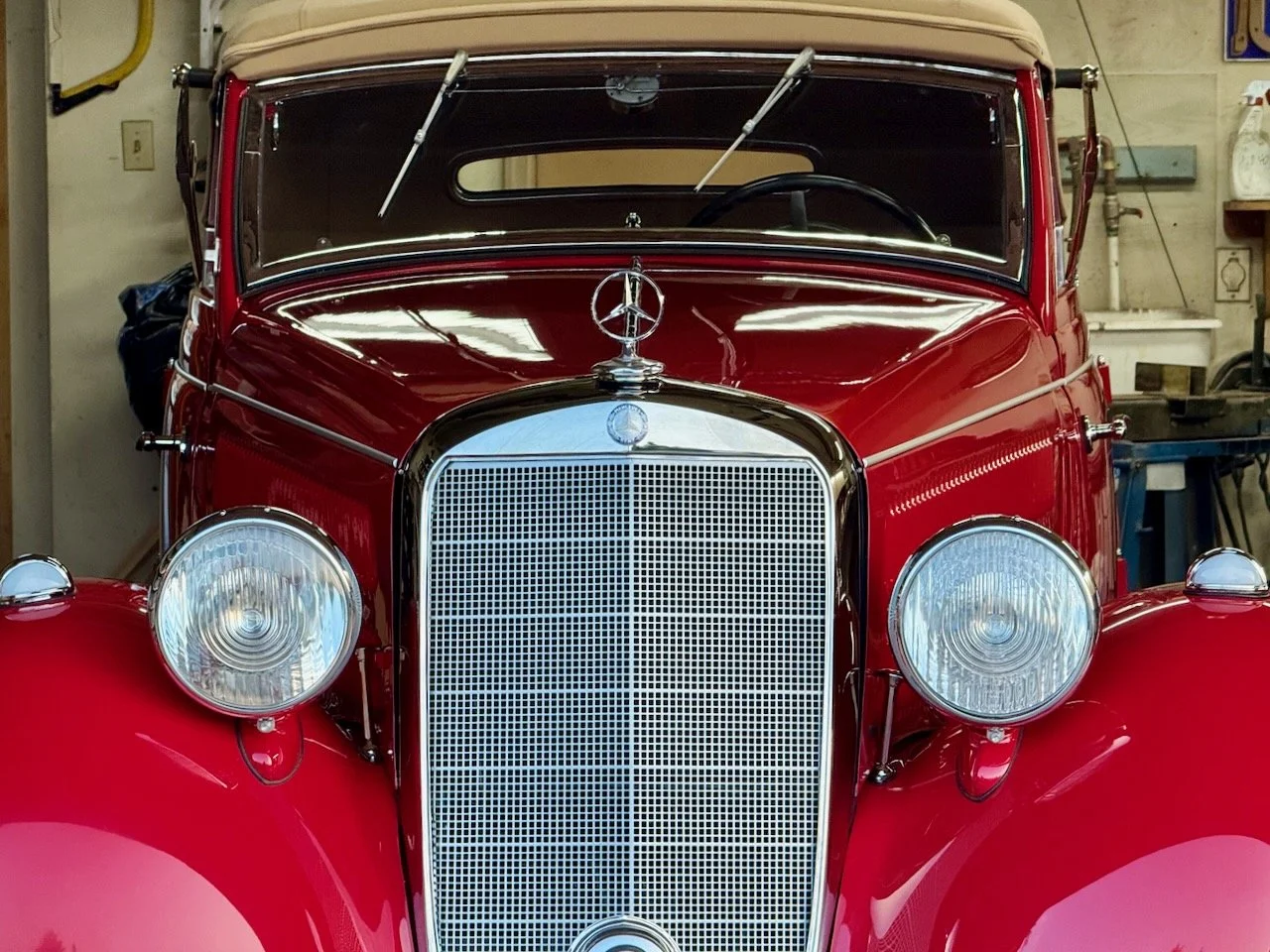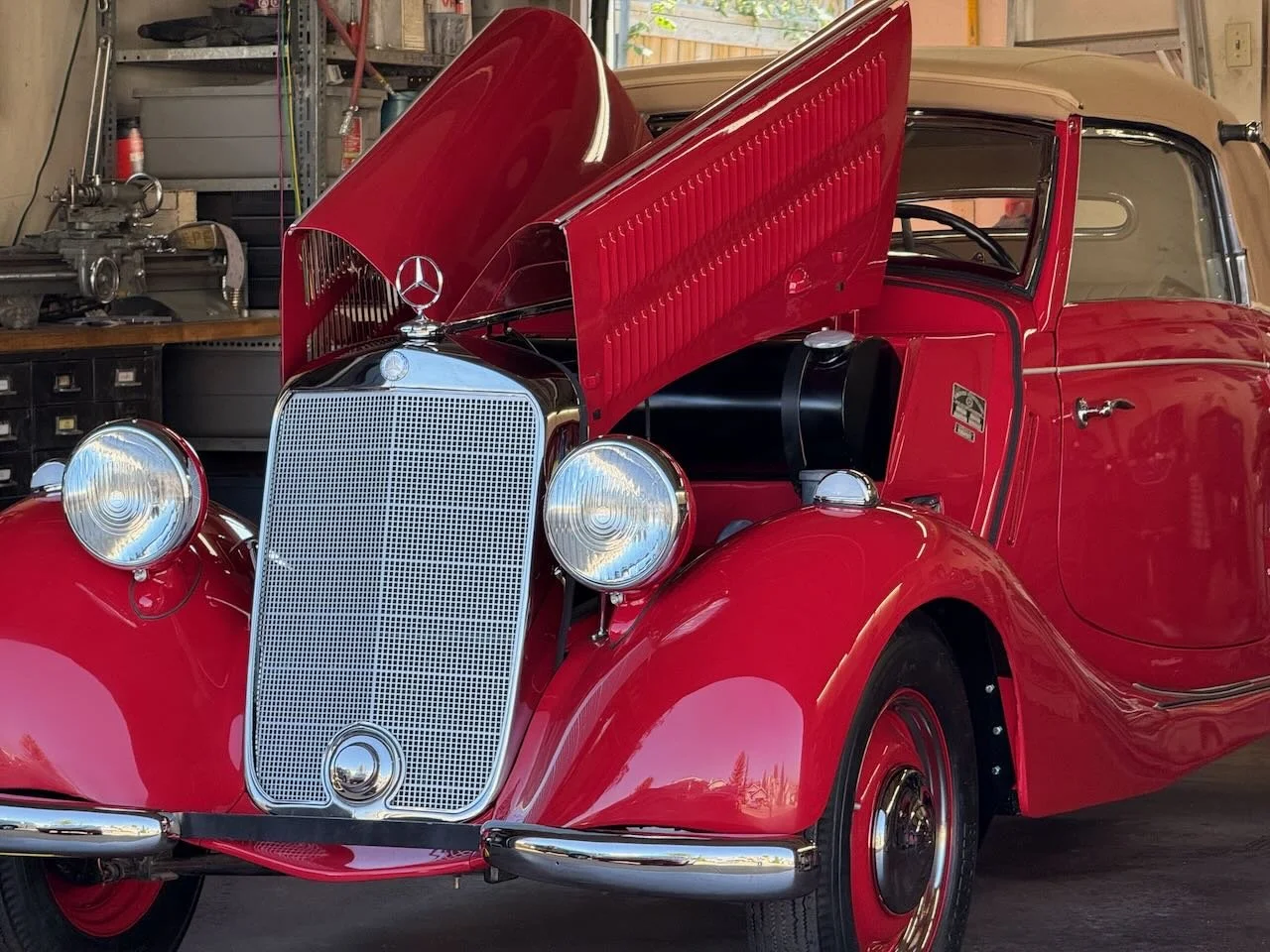
1937 Mercedes 170 V
Cabriolet A
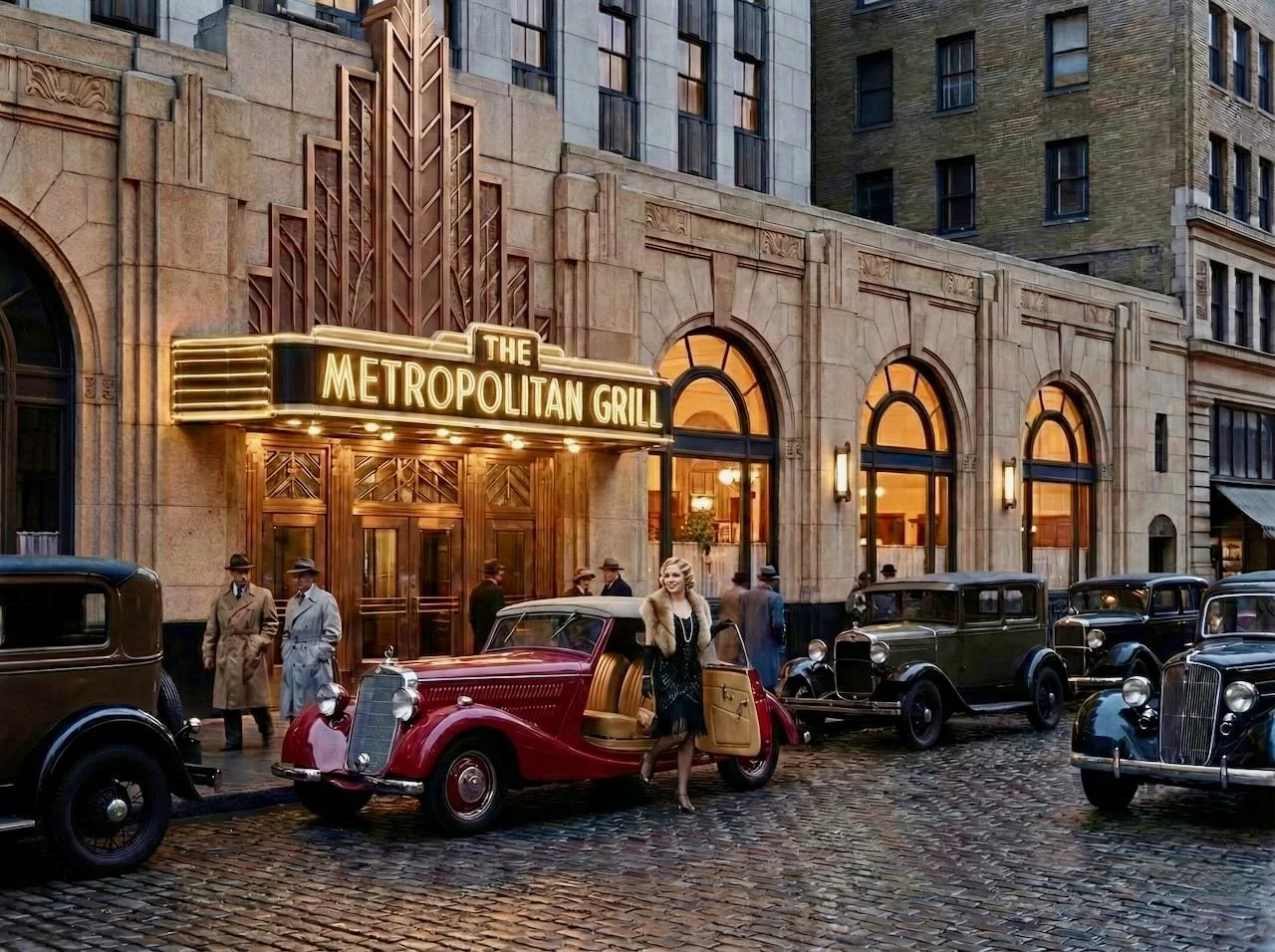
An exercise in Art Deco Elegance
Background
The Mercedes-Benz 170 V (W136) was introduced in February 1936 at the Berlin International Motor and Motorcycle Show. It was a pivotal machine for Daimler-Benz.
Exclusivity: Unlike the four-seater "Cabriolet B," the Cabriolet A was a dedicated two-seater (often with a small luggage shelf or jump seat). It was the most expensive, sporting, and elegant variant available.
Design: It featured a longer, more sweeping hood line, distinctively raked windshield, and flowing fender curves that masked the car's compact dimensions, giving it the presence of a much larger roadster.
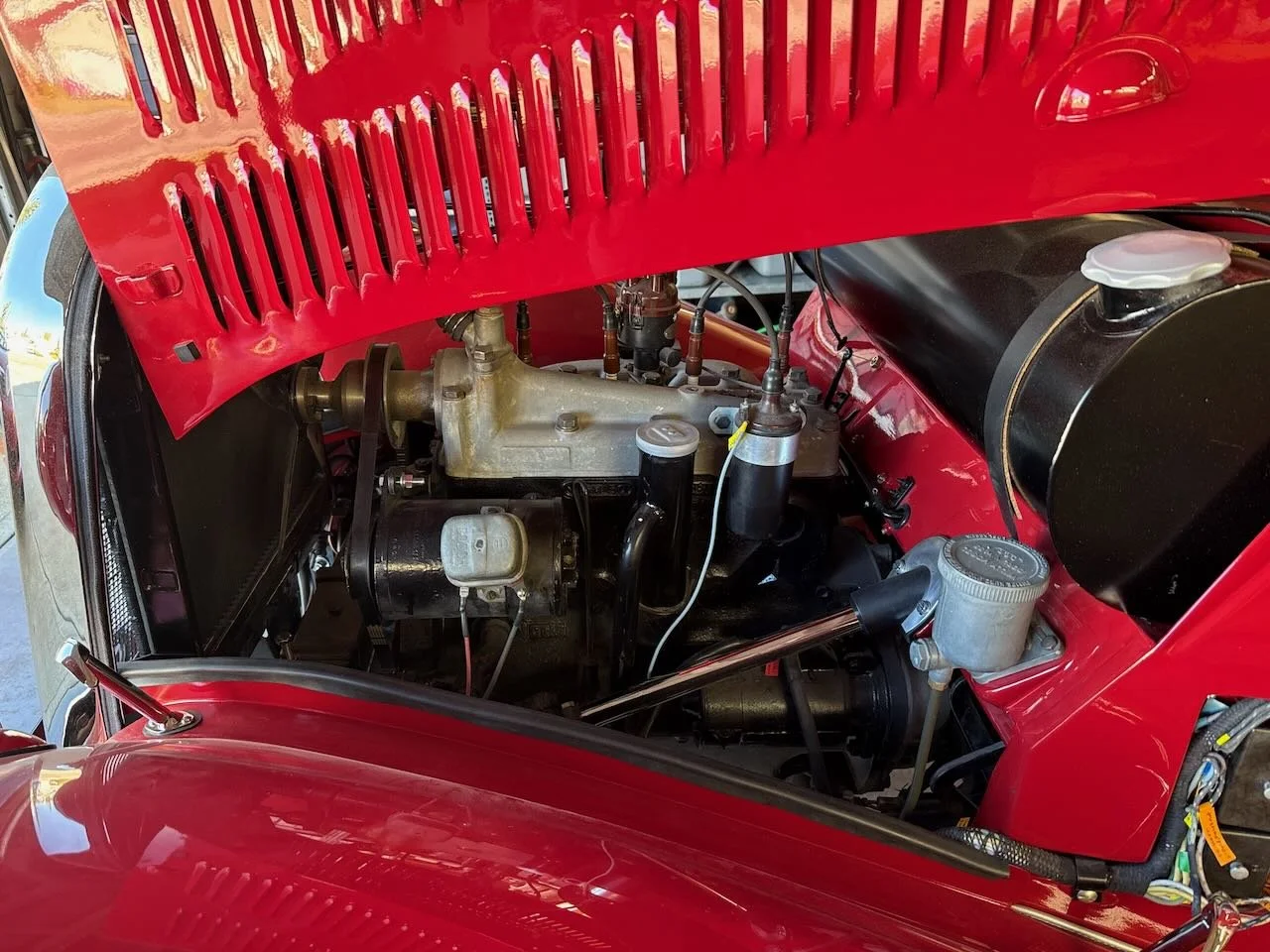
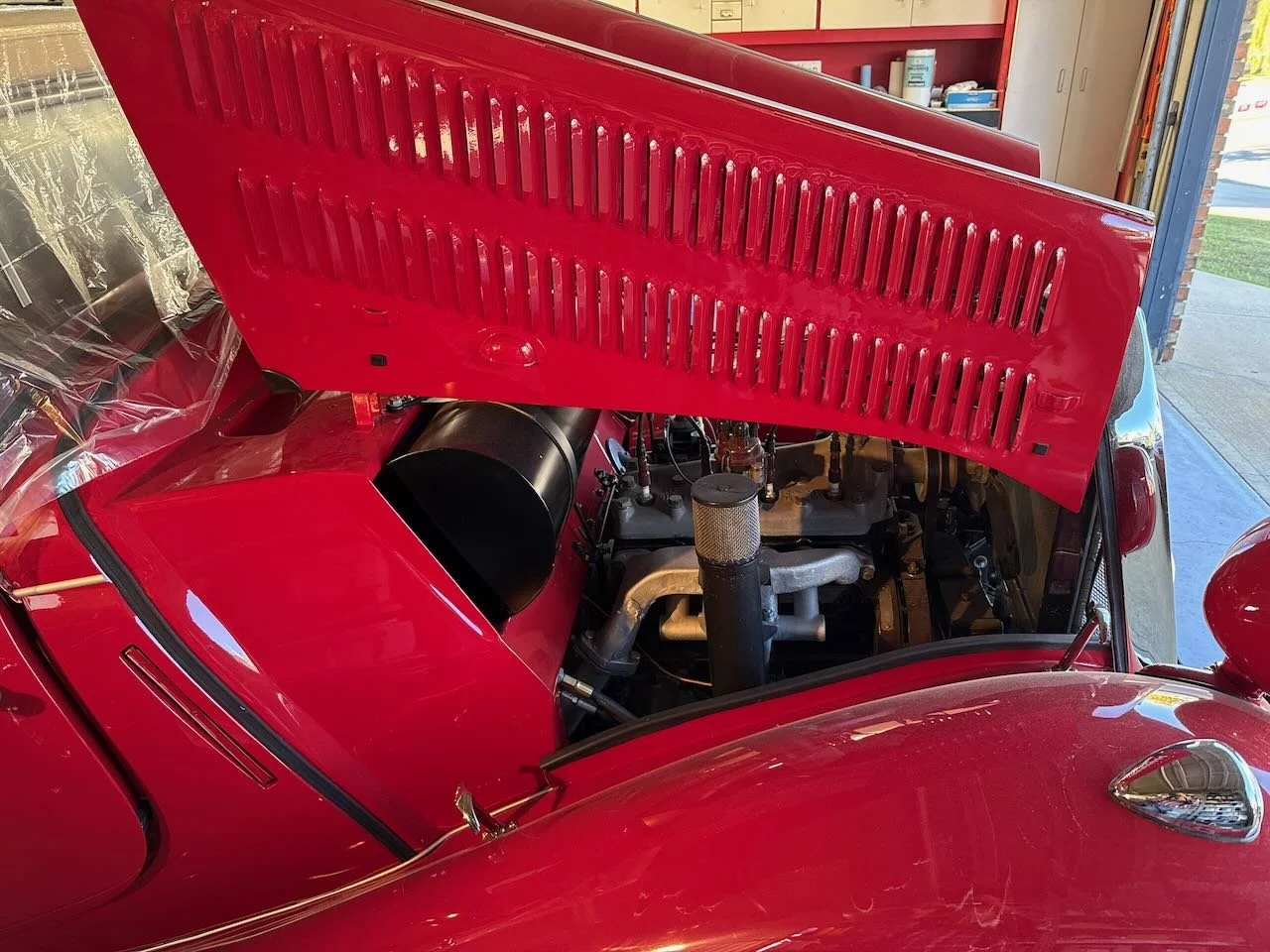
Performance: Under the hood lay the robust M136 engine—a 1.7-liter inline-four producing 38 horsepower. While modest by modern standards, the engine was legendary for its smoothness and proven reliability (so much so that this engine essentially powered Mercedes' post-war reconstruction)
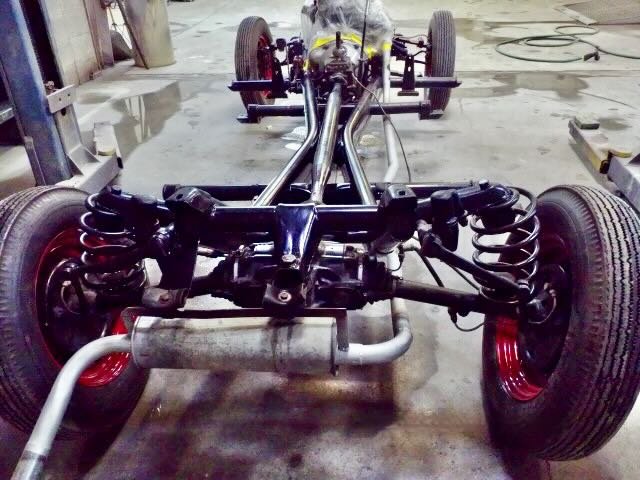
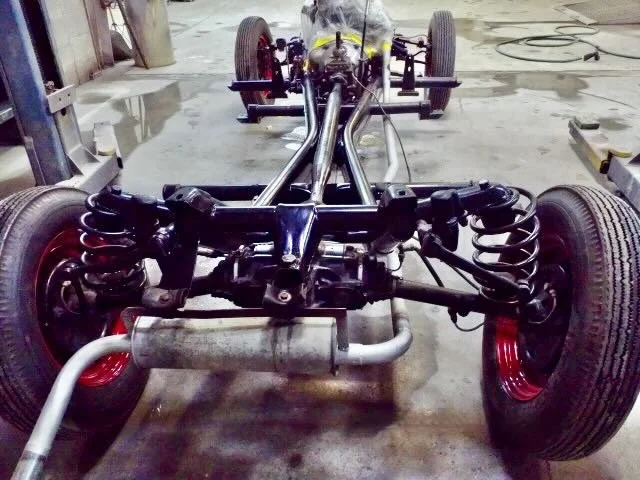
Chassis: The car abandoned the heavy box-frames of the past for a revolutionary X-shaped oval tubular frame. This made the car lighter and stiffer, while four-wheel independent suspension (transverse leaf springs up front, swing axles in the rear) provided a ride quality that was decades ahead of its stiff-axle competitors.
Why Collectors Want It
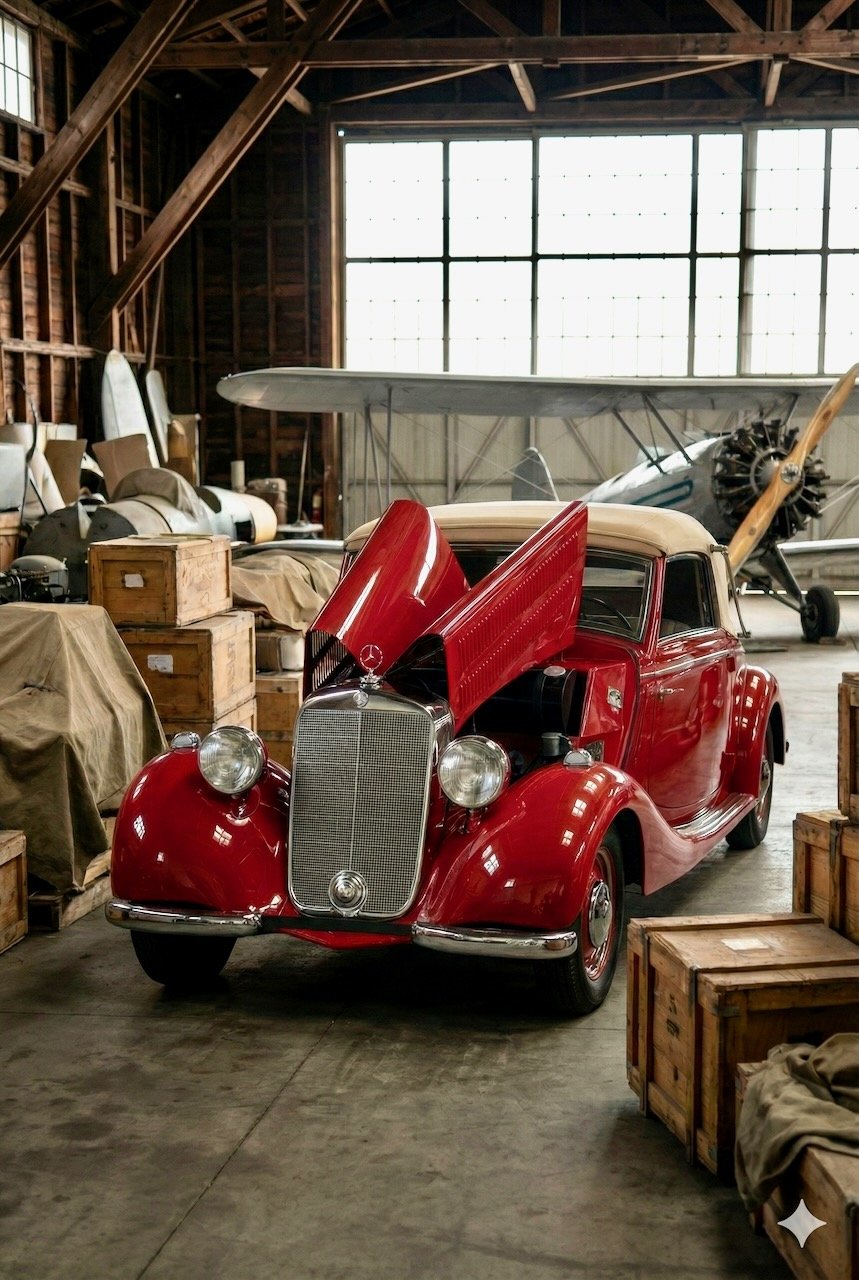
For a modern purchaser or collector, the 1937 170 V Cabriolet A offers a unique value proposition that distinguishes it from other pre-war classics:
Rarity & Prestige
While Mercedes-Benz mass-produced the 170 V chassis, the sporting two-seater Cabriolet A was an elite, low-volume exception—with only 794 ever crafted by the master coachbuilders at Sindelfingen. Between wartime destruction and the passage of time, only a handful of these elegant, open-top models survive today. This scarcity elevates the Cabriolet A far above standard pre-war sedans, granting it the style, exclusivity, and prestige that command immediate entry onto high-tier concours lawns.
Drivability
The real brilliance lies in its advanced four-wheel independent suspension and lightweight tubular frame. This innovative setup completely eliminates the heavy, floating feel typical of 1930s cars, delivering a remarkably modern, sure-footed, and comfortable ride that makes it a genuinely usable classic for regional touring.
Engineering Pedigree
The 170V shares the same design DNA as the legendary supercharged 540K. The legendary design chief Hermann Ahrens oversaw the styling of both cars under the same roof.
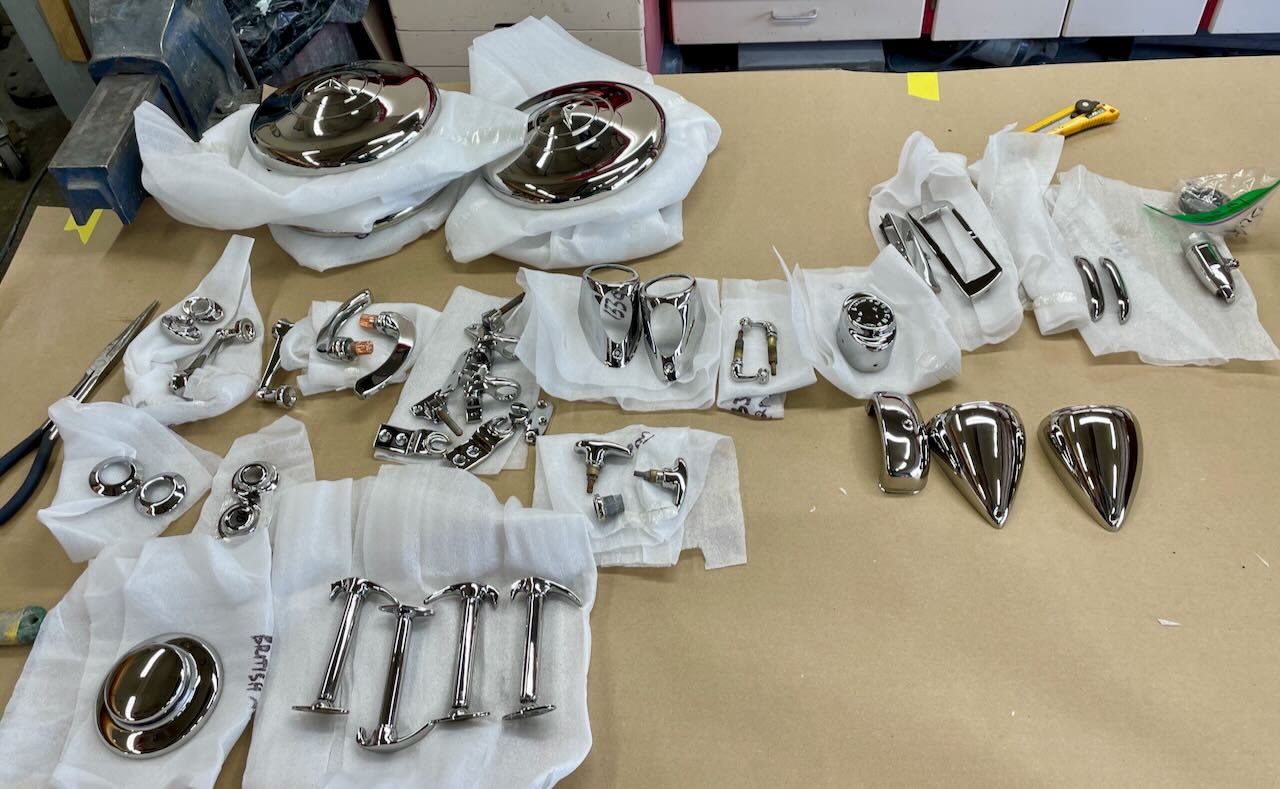
A Frame-off Restoration
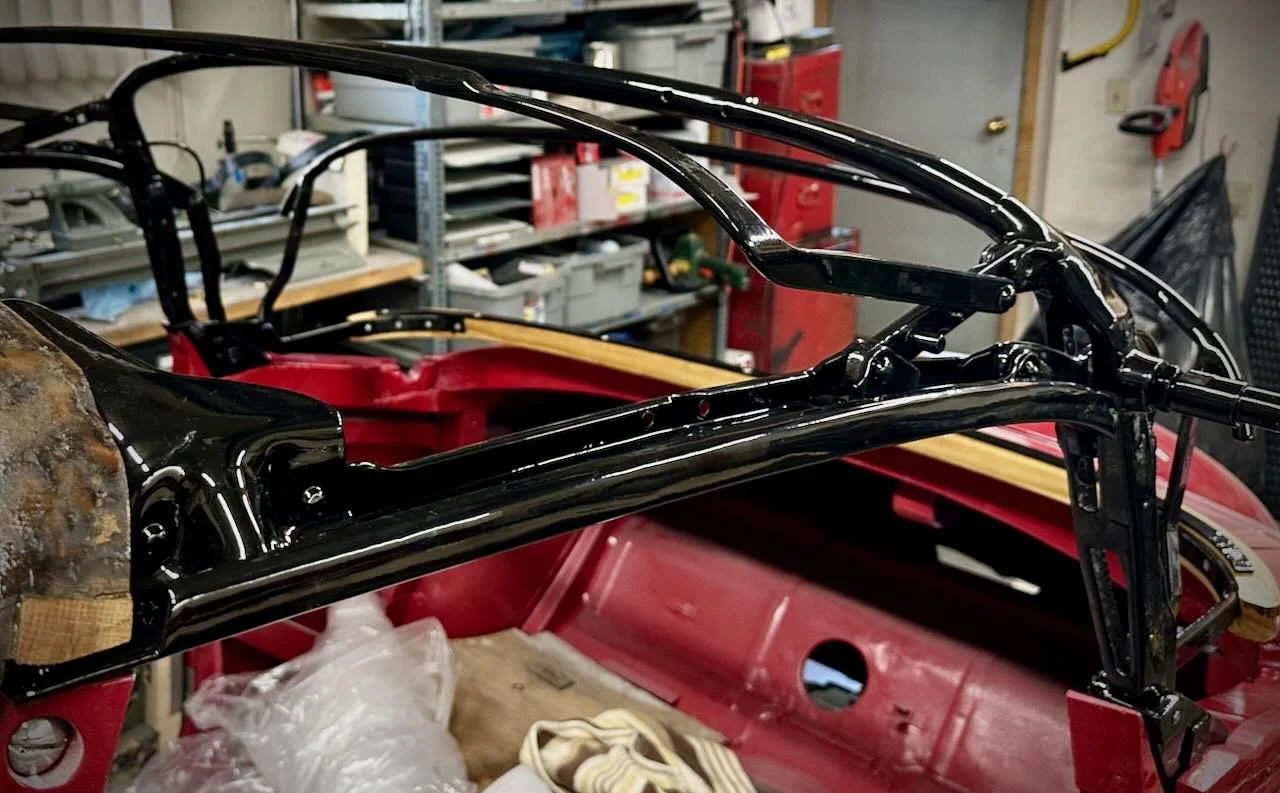
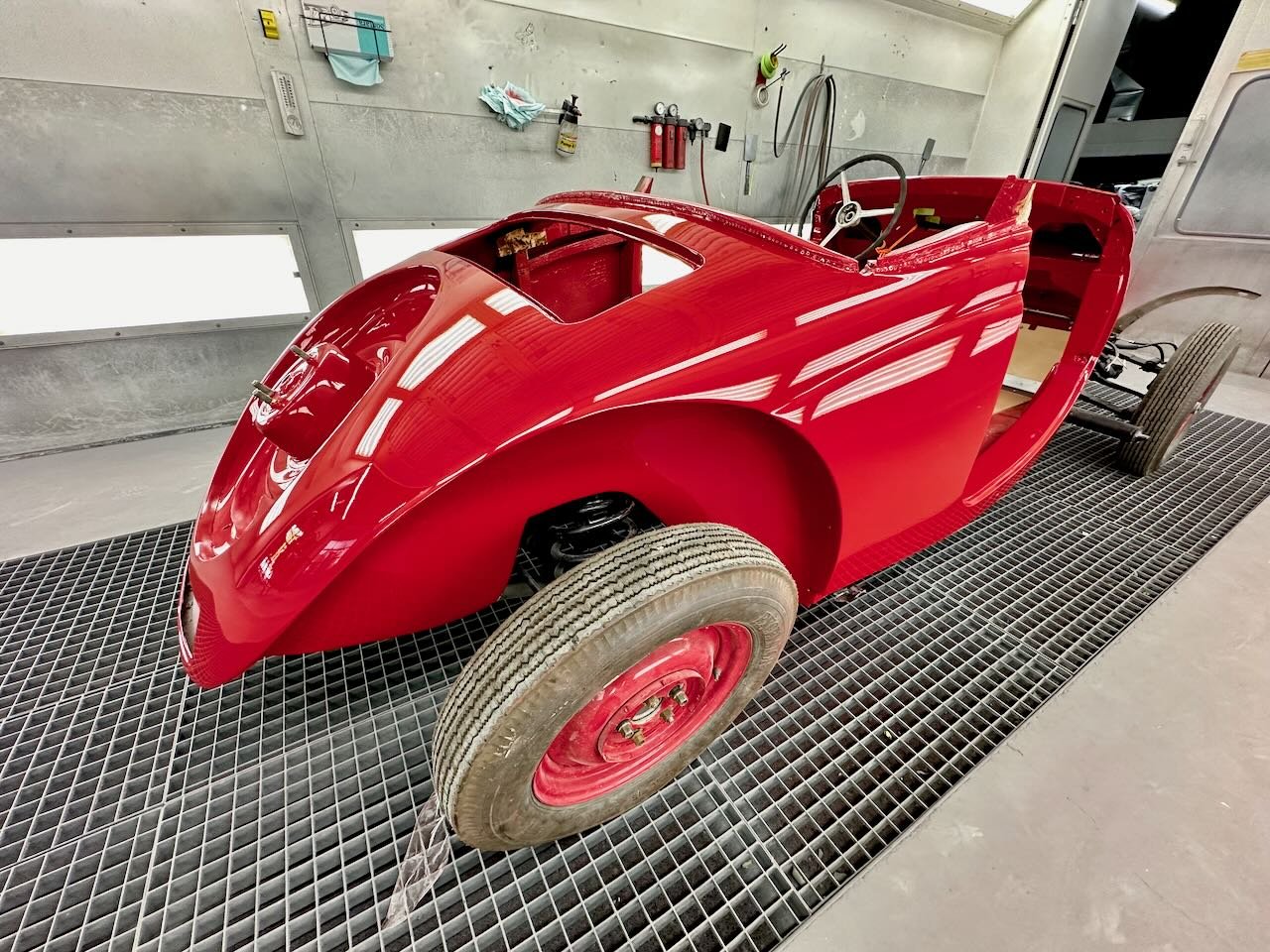
The body was lifted from the frame; chassis components were cleaned and powder-coated. Every system was addressed in turn.
FRAME-OFF
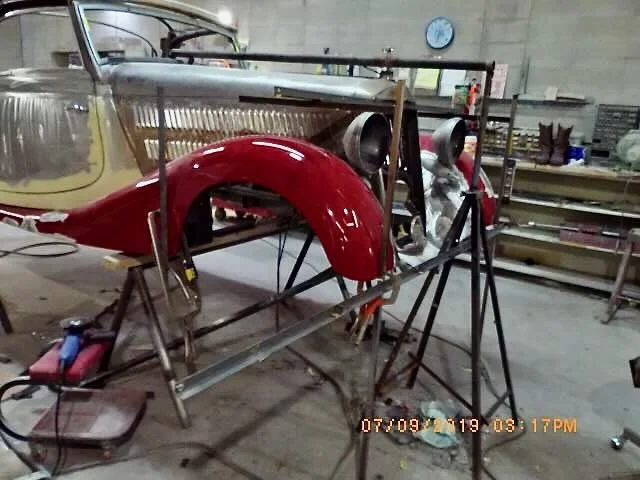
METAL WORK
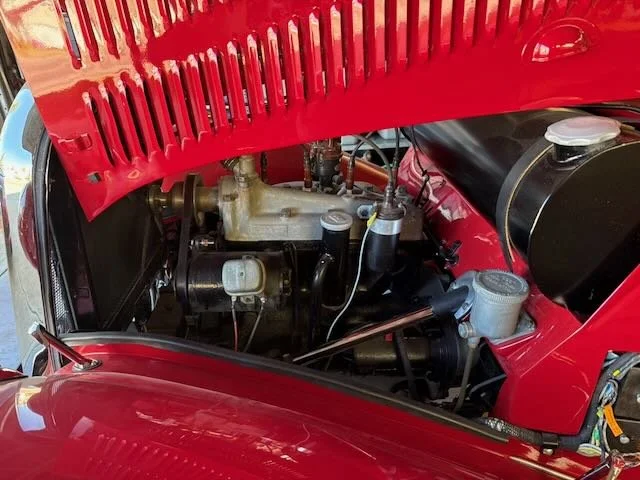
DRIVE TRAIN
Restoration
-
![]()
Frame Off Restoration
The body was removed from the frame and the chassis components were cleaned and powder coated. -
![]()
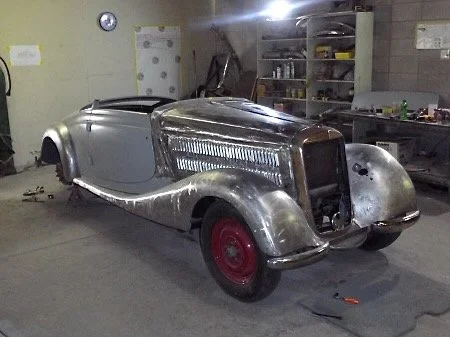
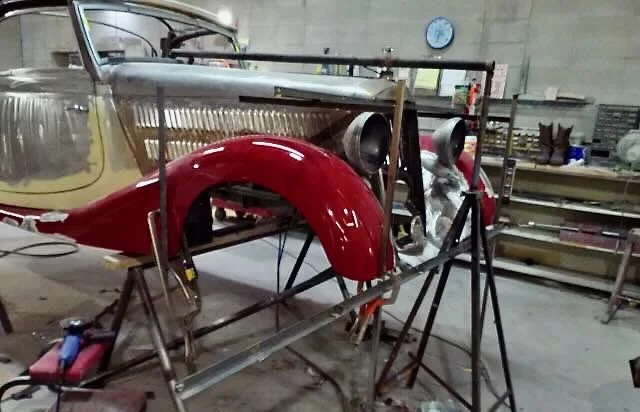
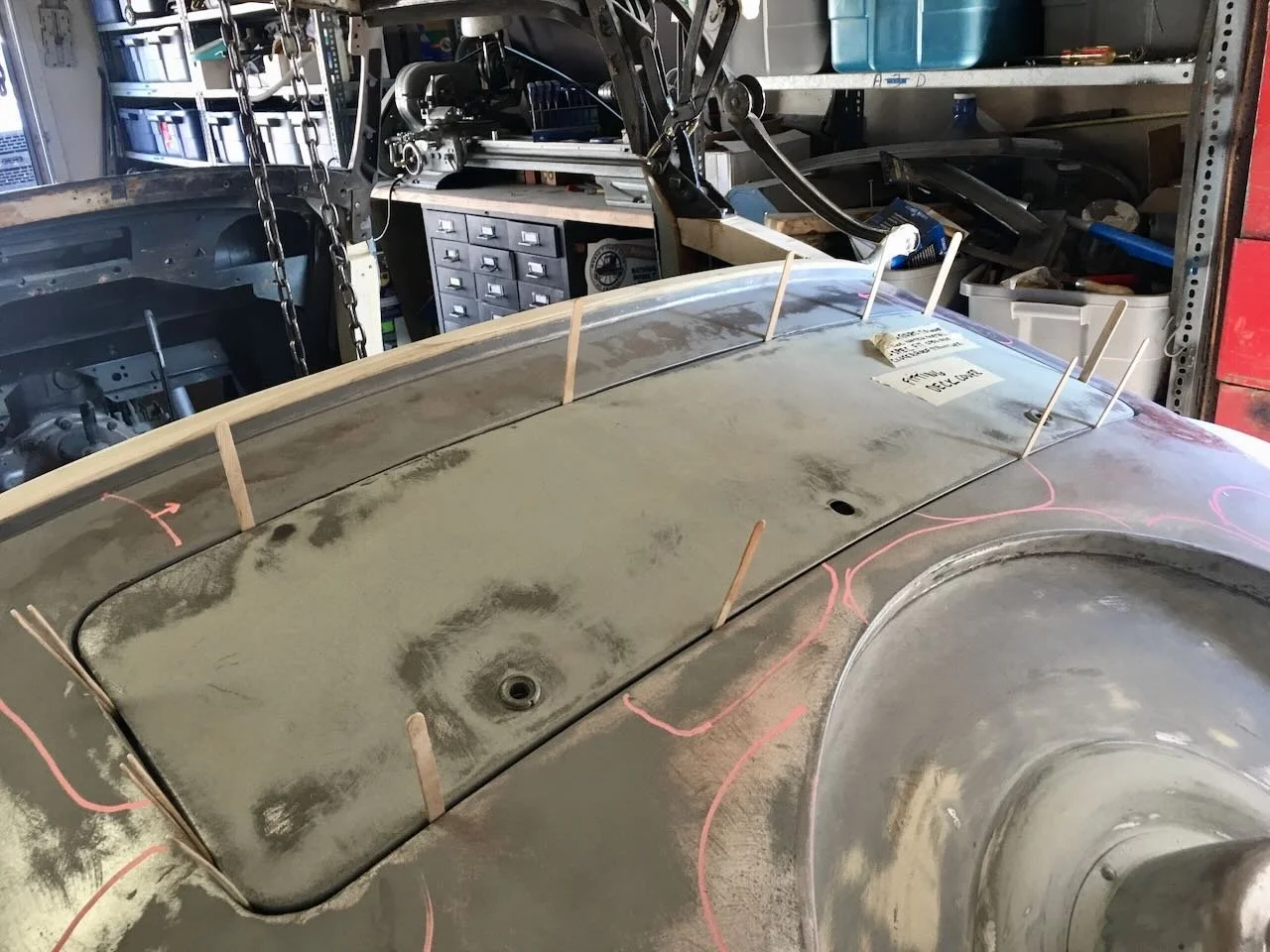
Metal Work
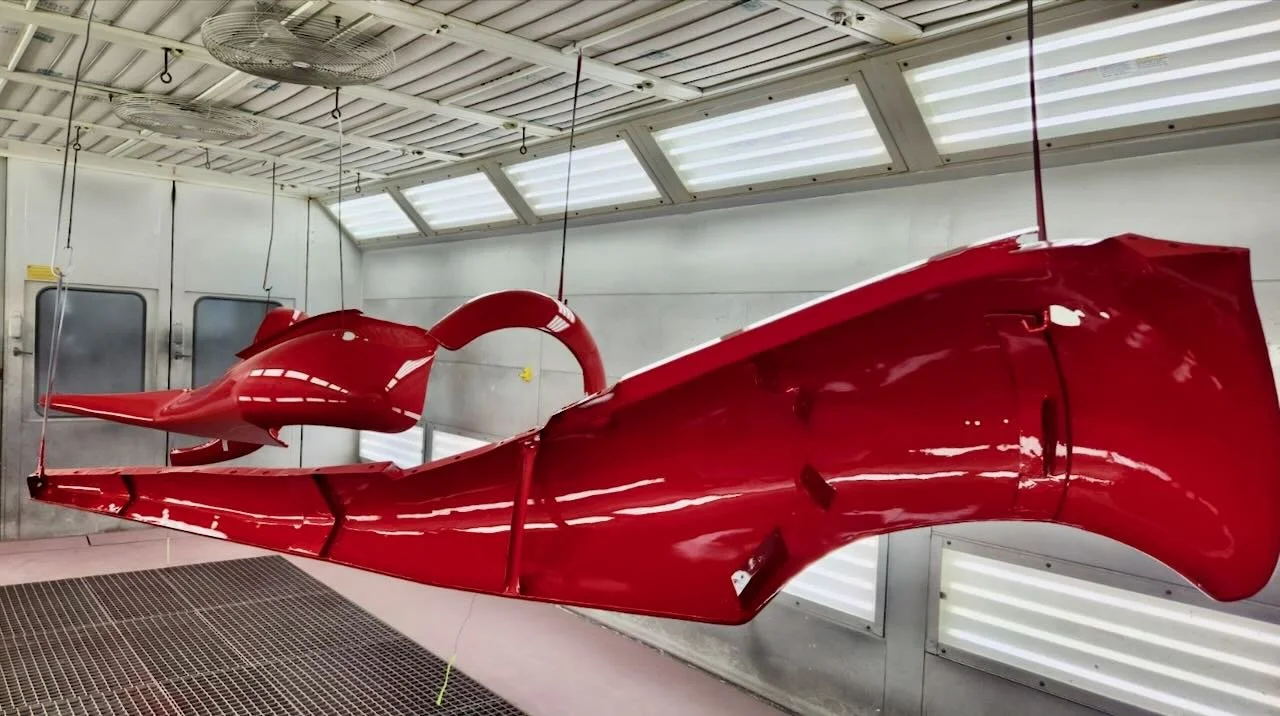
Body parts were meticulously aligned. -
![]()
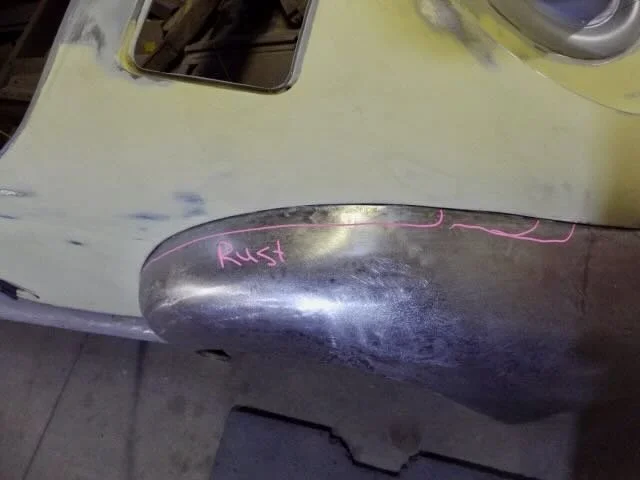
Rust
Any hint of rust was identified and repaired. -
![]()
Drive Train
The engine, transmission and rear end were disassembled and restored.
-
![]()
Panels and Doors
Panels and doors were carefully gapped and aligned.
-
![]()
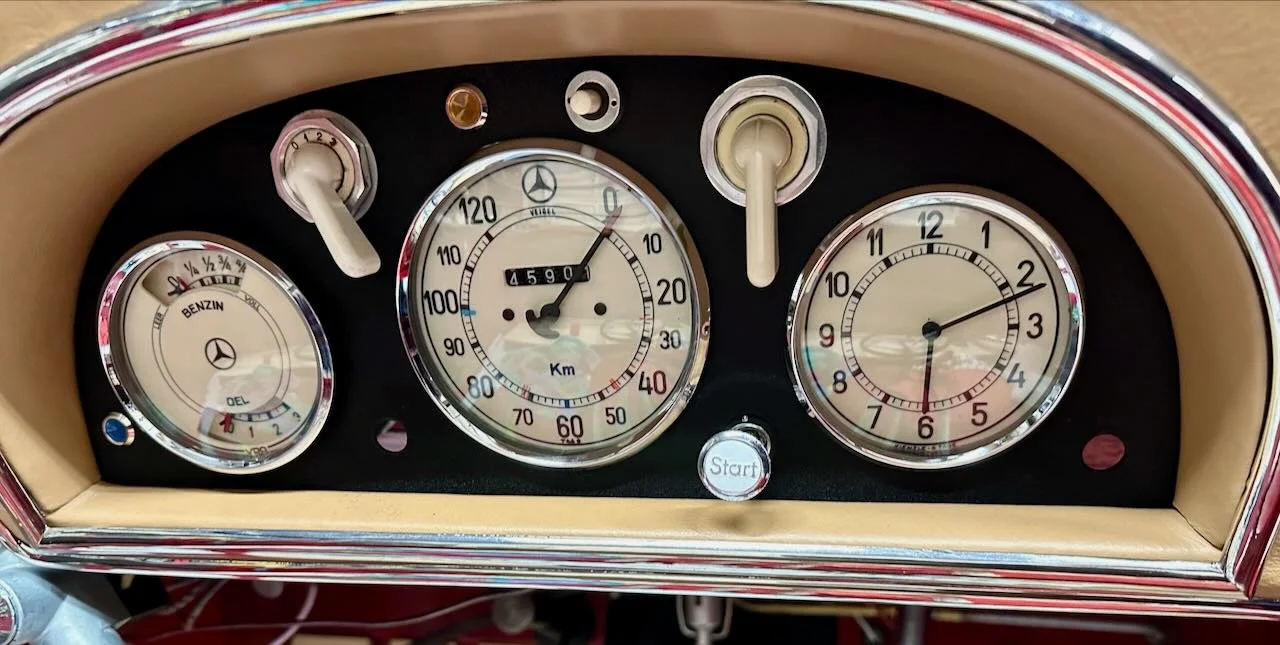
Restored Gauges
The gauges were professionally restored to show room condition.
-
![]()
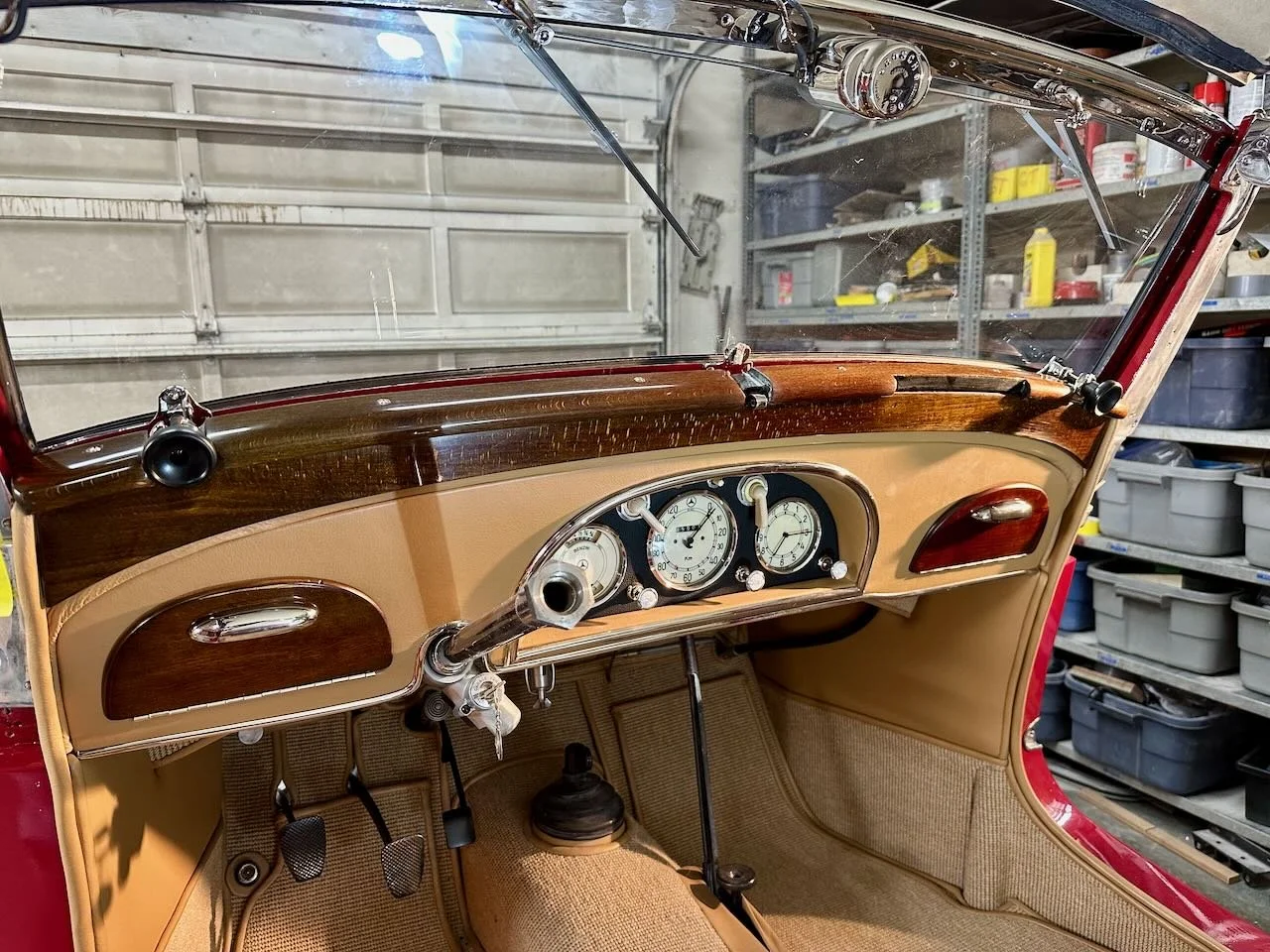
Wood Trim
The wood trim was stripped, stained and lacquered with a hand-rubbed finish. -
![]()
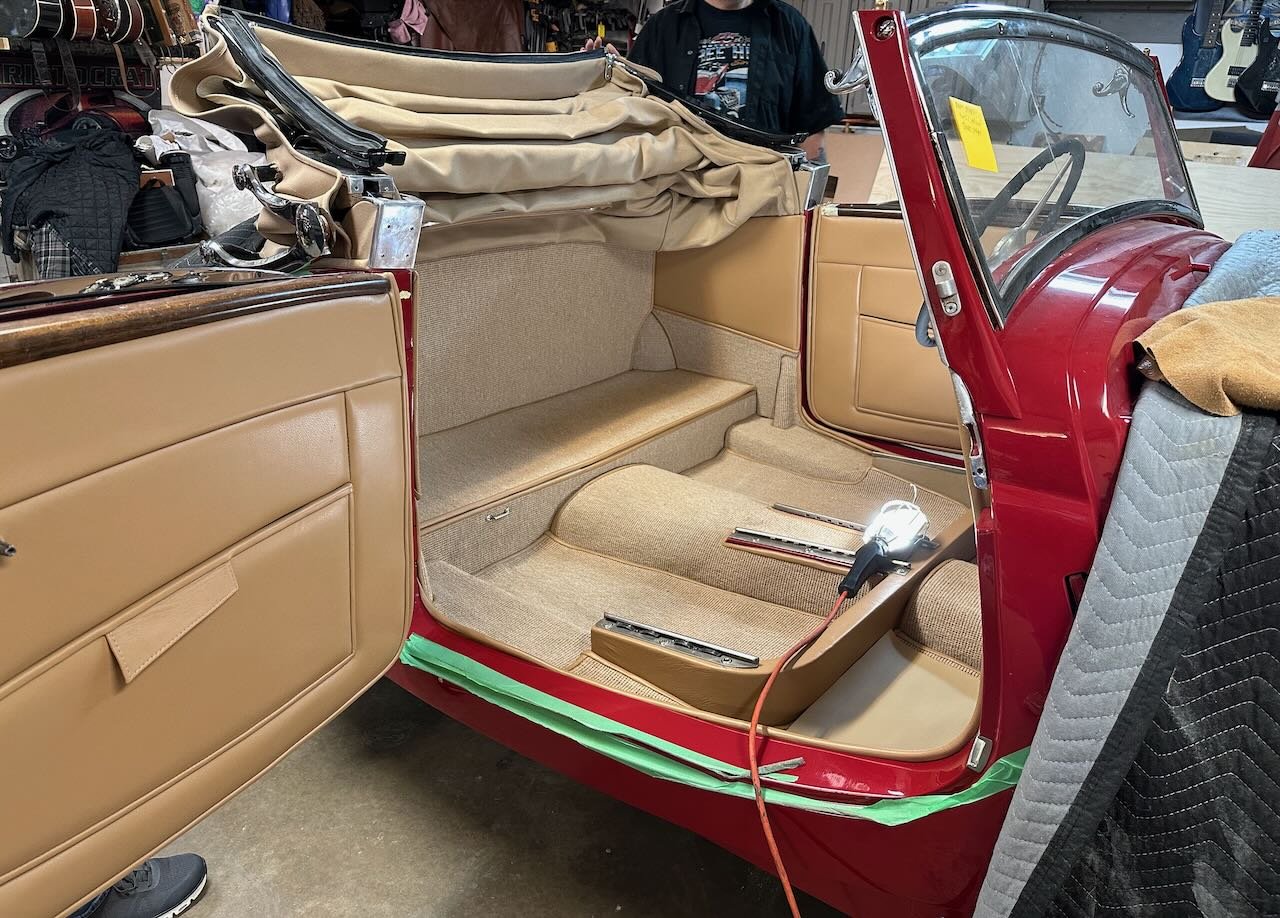
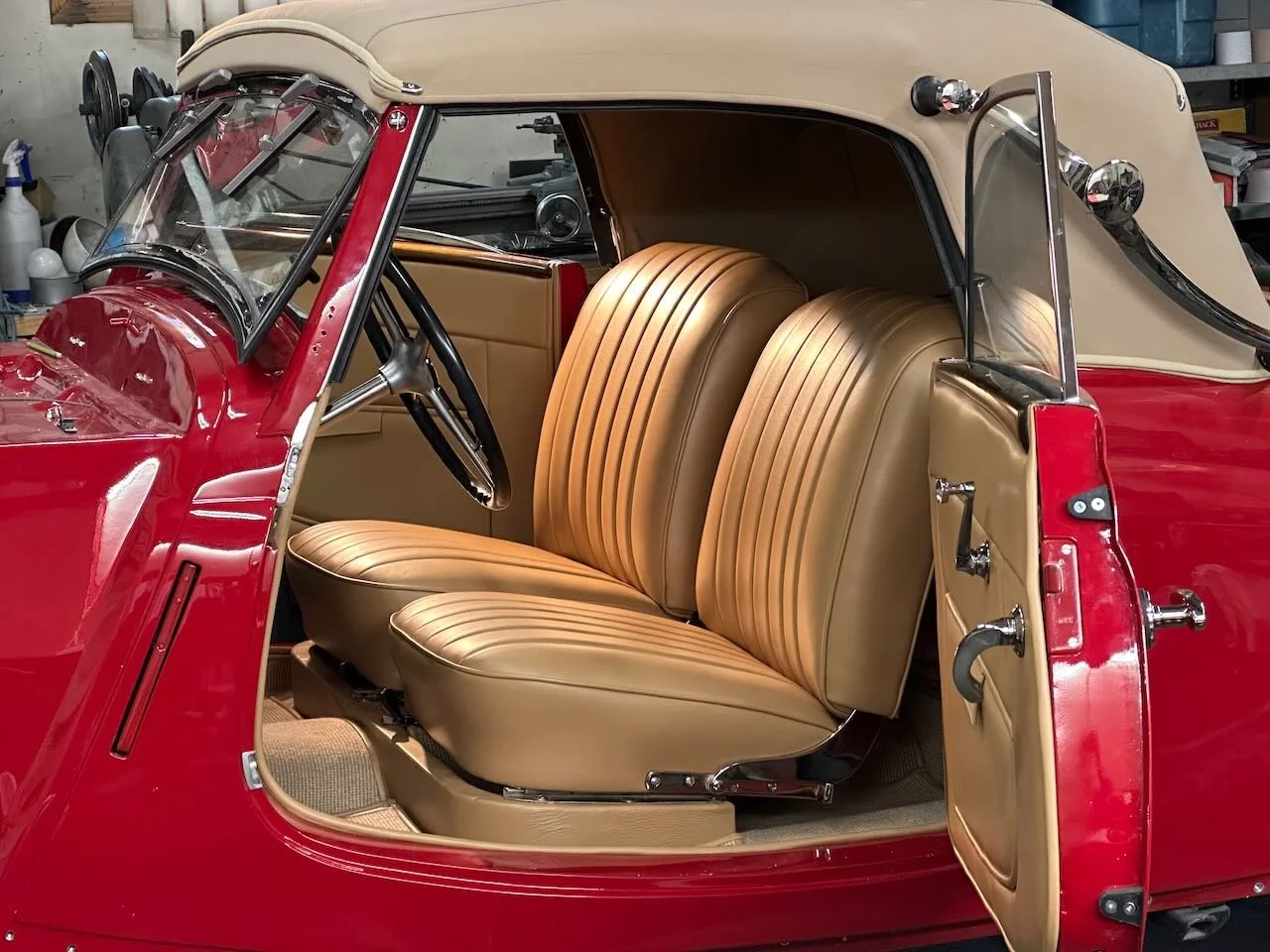
Carpet and Upholstery
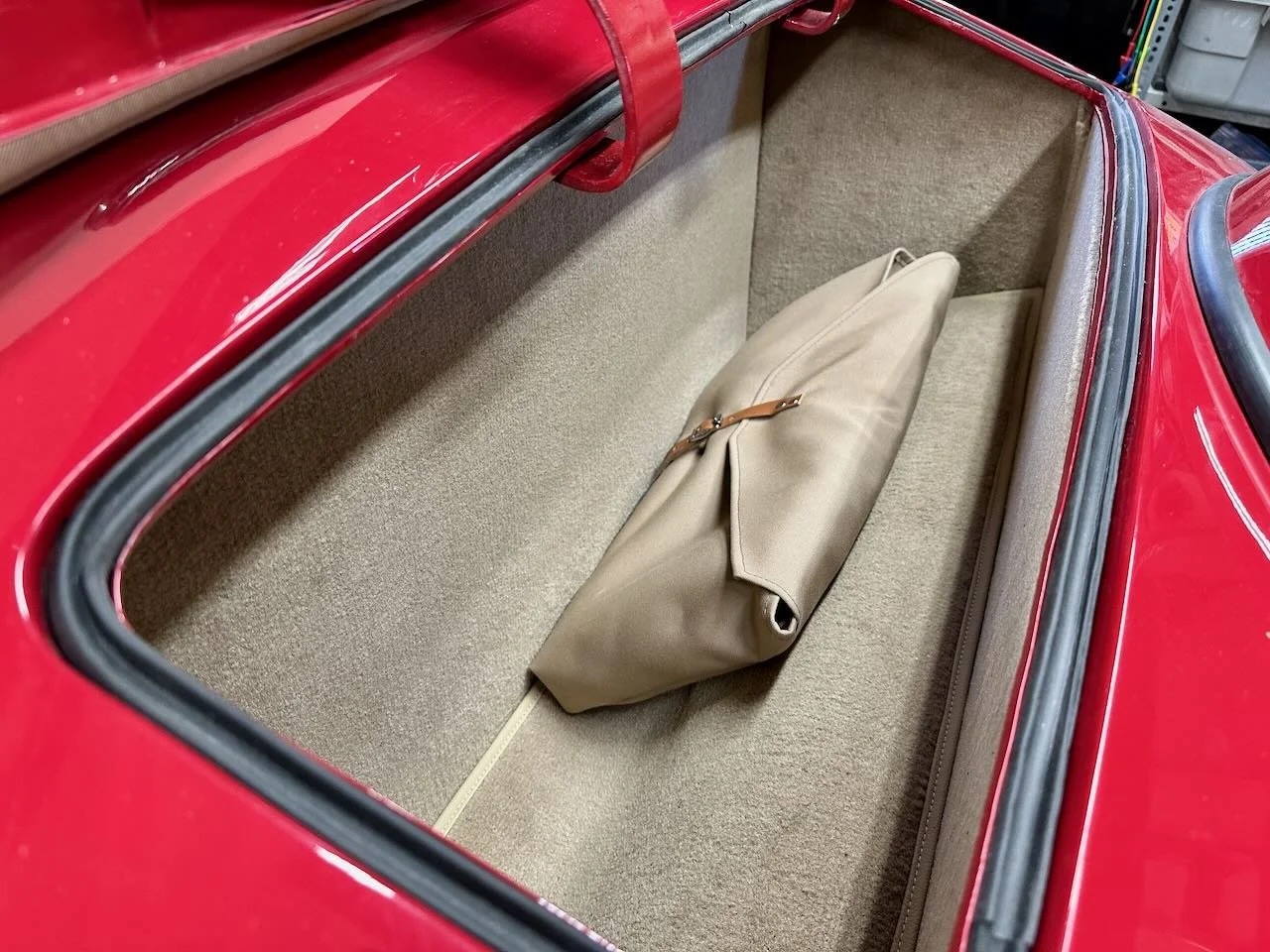
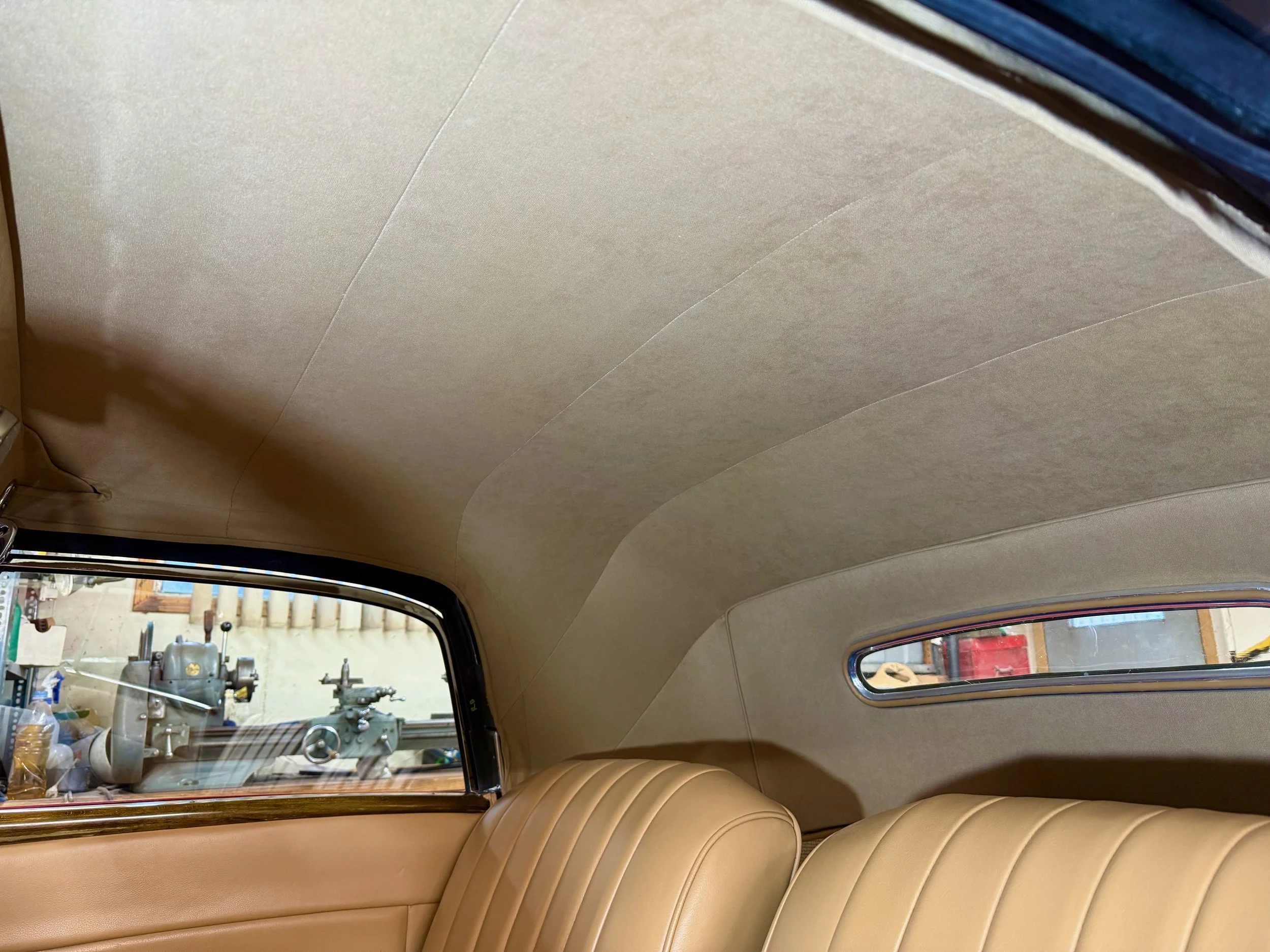
Every detail of the interior was meticulously crafted. -
![]()
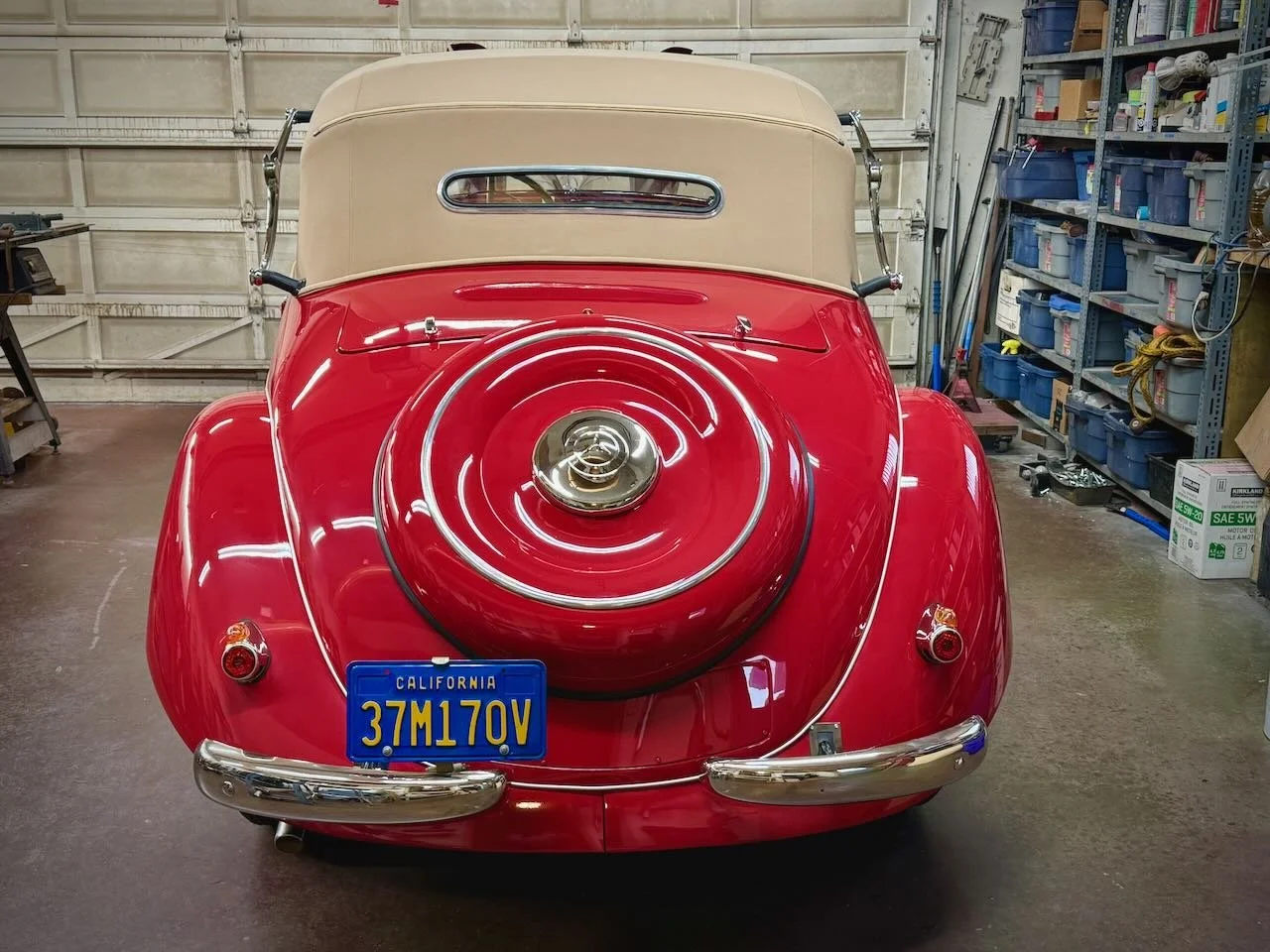
Rear View
The original spare tire cover that came with this car was in prime condition even before the restoration commenced.
-
![]()
Leather Interior
The carpet and top material were tailored to perfectly complement the depth and texture of the bespoke leather upholstery.