
Excellence
In the world of Mercedes-Benz, the Sindelfingen works (often referred to as Karosserie Sindelfingen) wasn't just a factory—it was the brand’s center of excellence for design and high-end coachbuilding.
While the standard 170 V sedans were assembly-line vehicles, the Cabriolet A was treated as a "special-class" build within the dedicated coachwork department. Here is what makes the Sindelfingen pedigree so significant for this car:
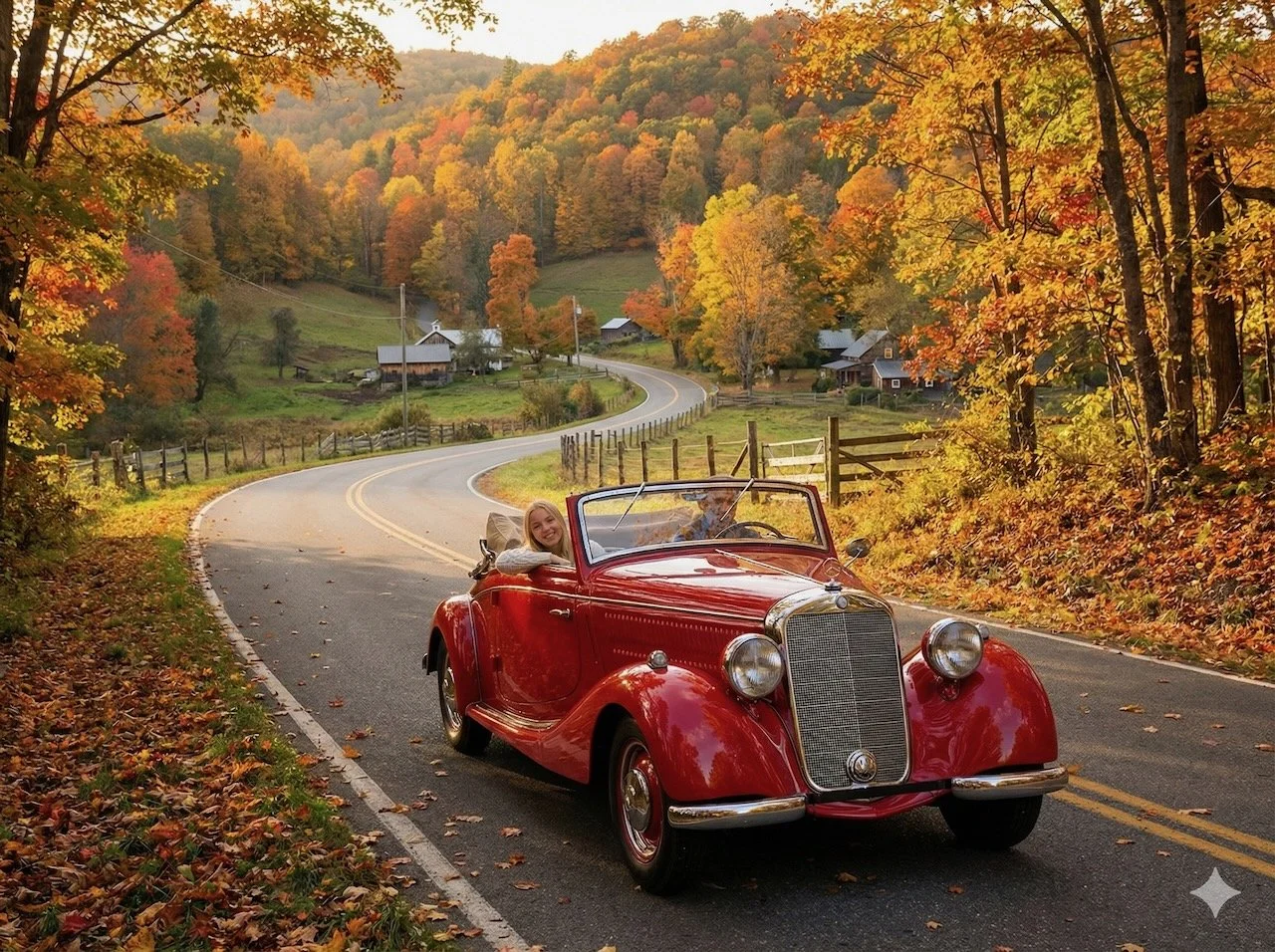
1. The "Sindelfingen Body" Heritage
In the 1930s, having a "Sindelfingen Body" (marked by a distinct coachwork plate) was a major status symbol. While independent coachbuilders like Erdmann & Rossi existed, the in-house Sindelfingen team was considered the gold standard. They used a "mixed construction" method: a hand-fitted ash and beech wood frame over which steel panels were meticulously shaped and pinned.
2. Aircraft Precision
The plant was originally founded in 1915 to build military aircraft during WWI. When they transitioned to luxury cars in 1919, they brought over the same exacting standards required for flight. The engineers at Sindelfingen were famous for their obsession with "gap consistency" and the "thunk" of the doors—a sound that Mercedes enthusiasts still listen for today.
3. The "Special Class" Craftsmen
At the time this car was built, Sindelfingen employed over 5,000 specialists across 15 different trades. Because the Cabriolet A was a premium two-seater (more exclusive than the four-seater Cabriolet B), it was handled by the most senior master trimmers and woodworkers. These men spent weeks hand-fitting the leather and the heavy, padded cabriolet tops to ensure they were perfectly weatherproof—a feat that was very difficult to achieve in 1937.
4. Innovation in 1937
The year this car was built was a turning point for the plant. In 1937, they were pioneering the use of giant 1,000-ton deep-drawing presses. While the structure of this car was still very traditional and hand-finished, it benefited from the brand-new, more rigid steel panels these presses could produce, making it one of the most durable cars of its era.
5. Historical Rarity
During WWII, the Sindelfingen plant was a primary target for Allied bombing because of its technical capabilities. By 1945, the factory was largely in ruins. The fact that this 170 V survived not just the war, but the destruction of the very place it was born, adds a massive layer of historical "provenance" to the vehicle.