
Assembling the rear end — 12 ½ Hrs — 88 km
I'm back at the project. 3 days work.
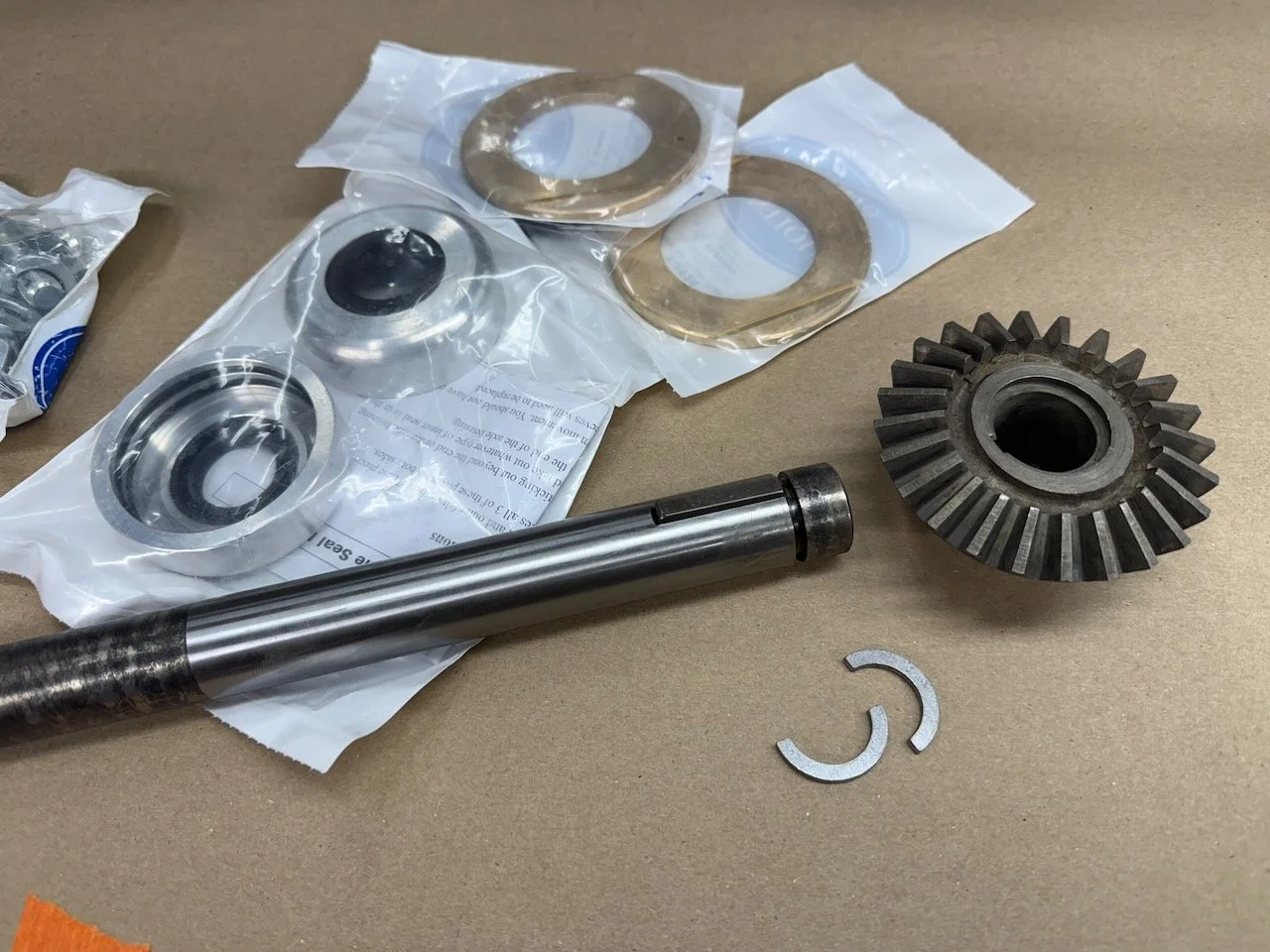
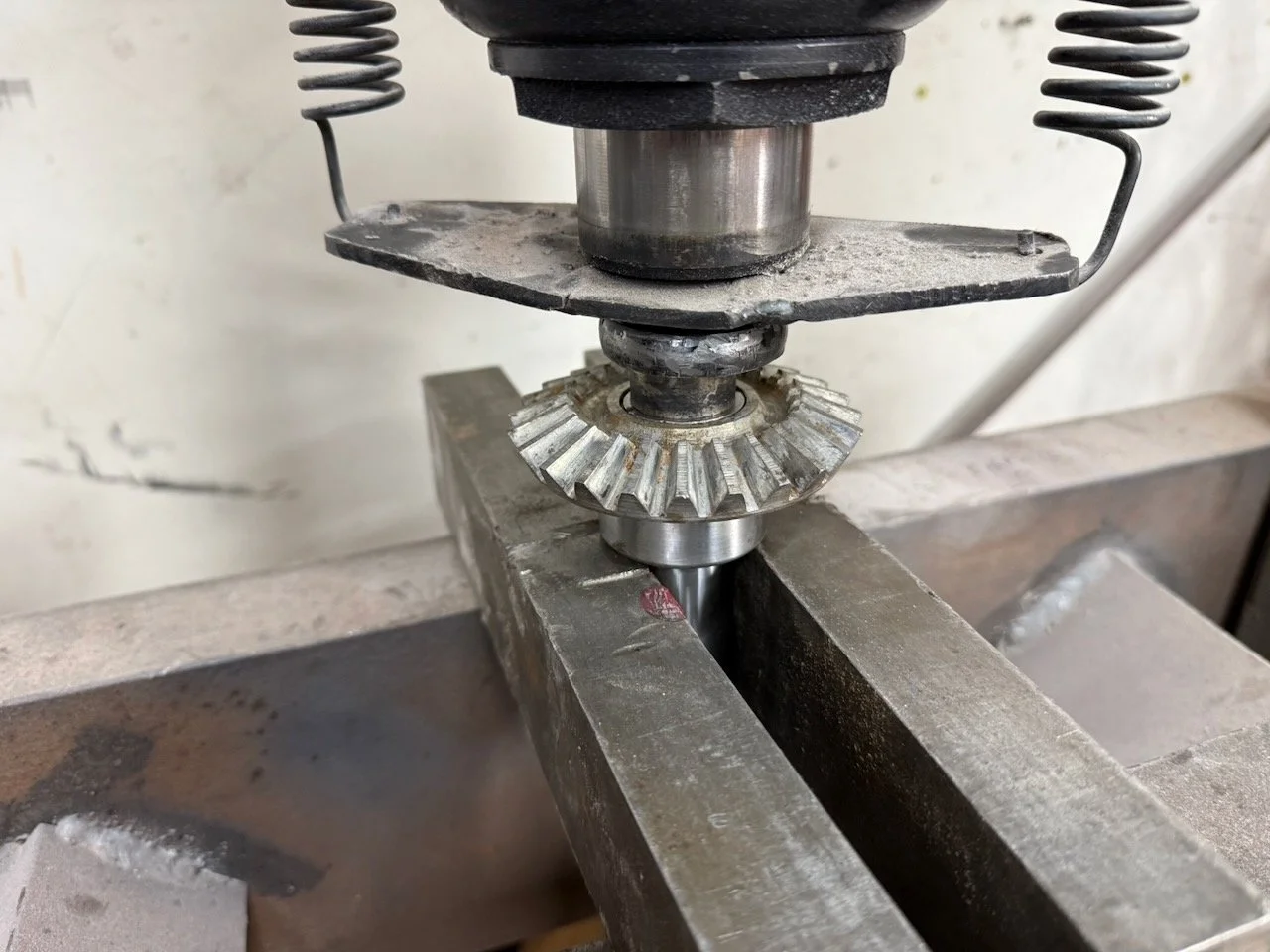
The old axles were unusable, and the gears were so worn that they would spin on the end of the axle. I had two good original gears which I pressed onto the new axles. They pressed on smoothly but are very tight, which is good.
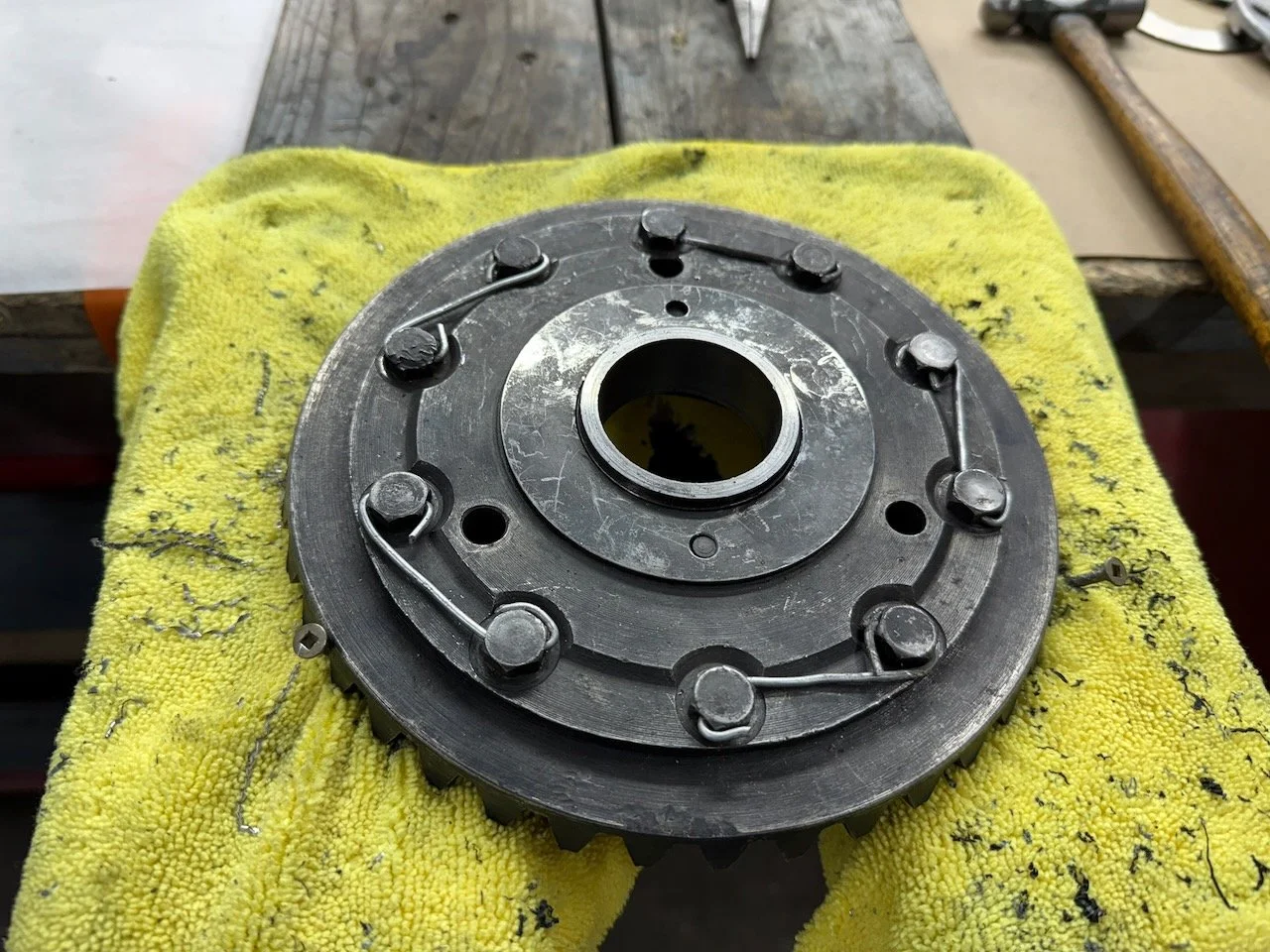
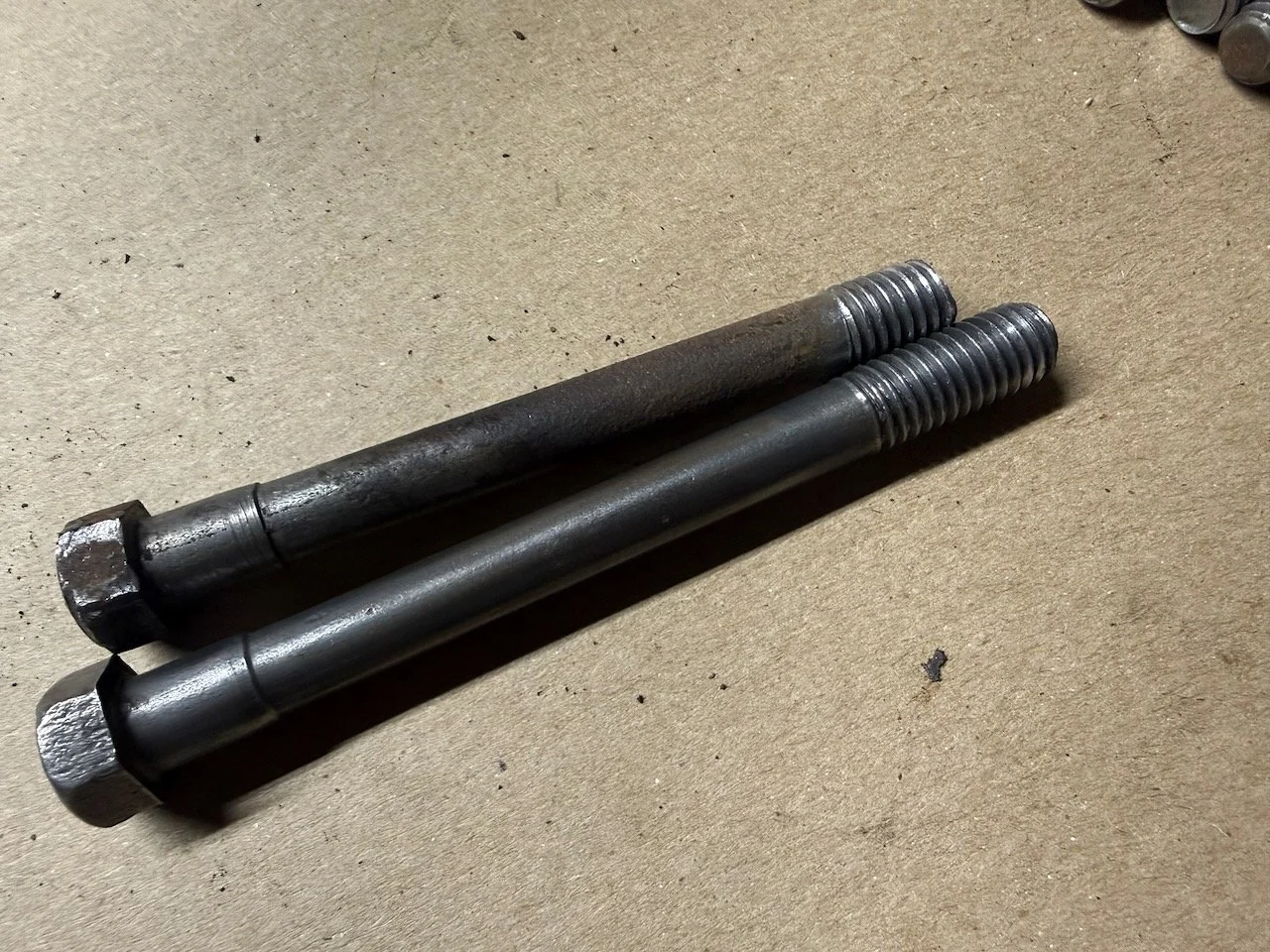
I assembled the centre section and spider gears and cut a special brass shim to fit between the axle ends to keep the axles in the correct position. The ring gear bolts are all hard wired. One of the original ring gear bolts was broken and I drilled it out and replaced it.
With the axles in place, I installed the rotating centre section in the housing and clipped the housings together. The clearance was spot on, which is unusual.
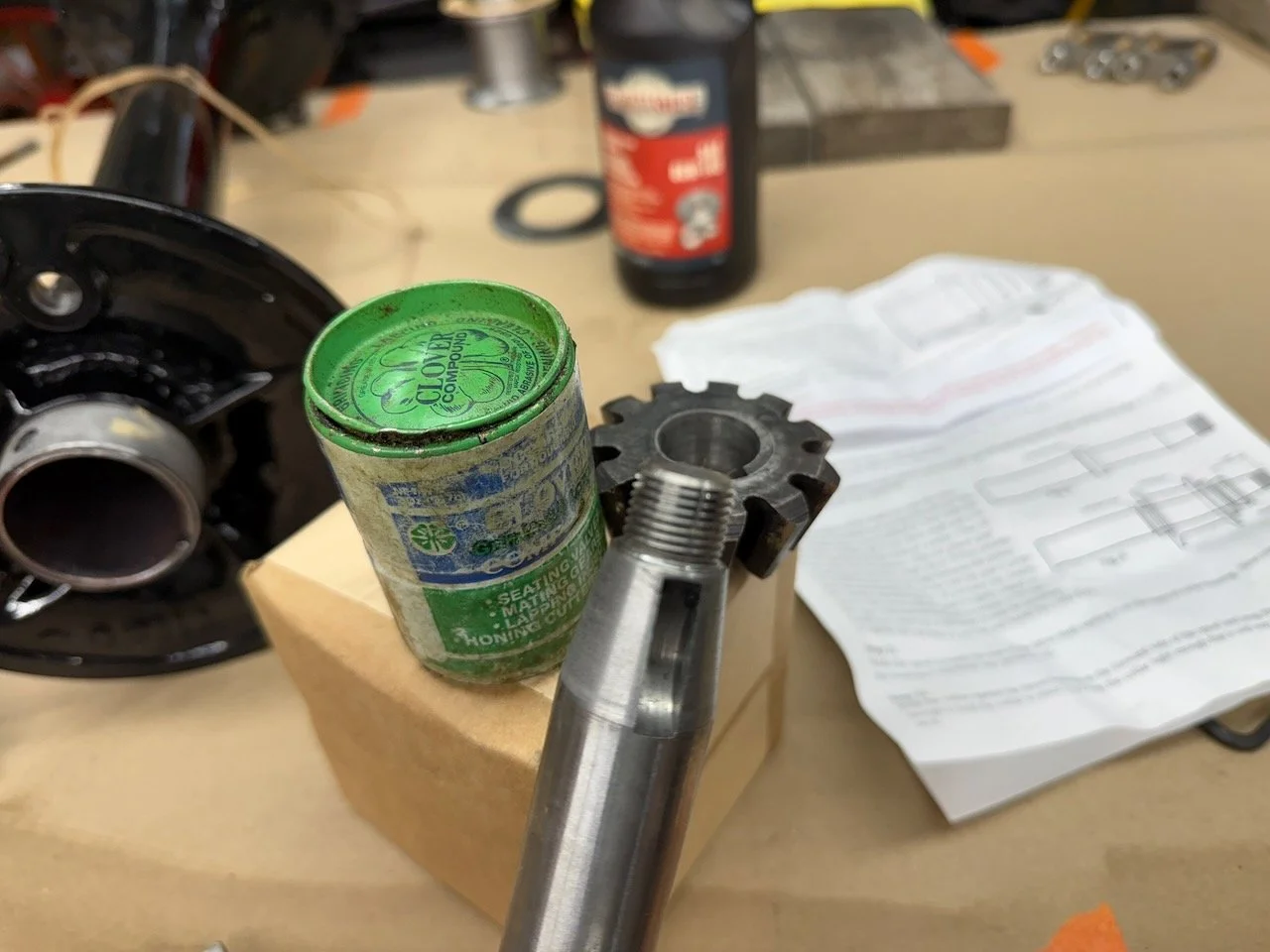
I lapped the pinion gear to the drive shaft to make sure the pieces have a good locking fit.
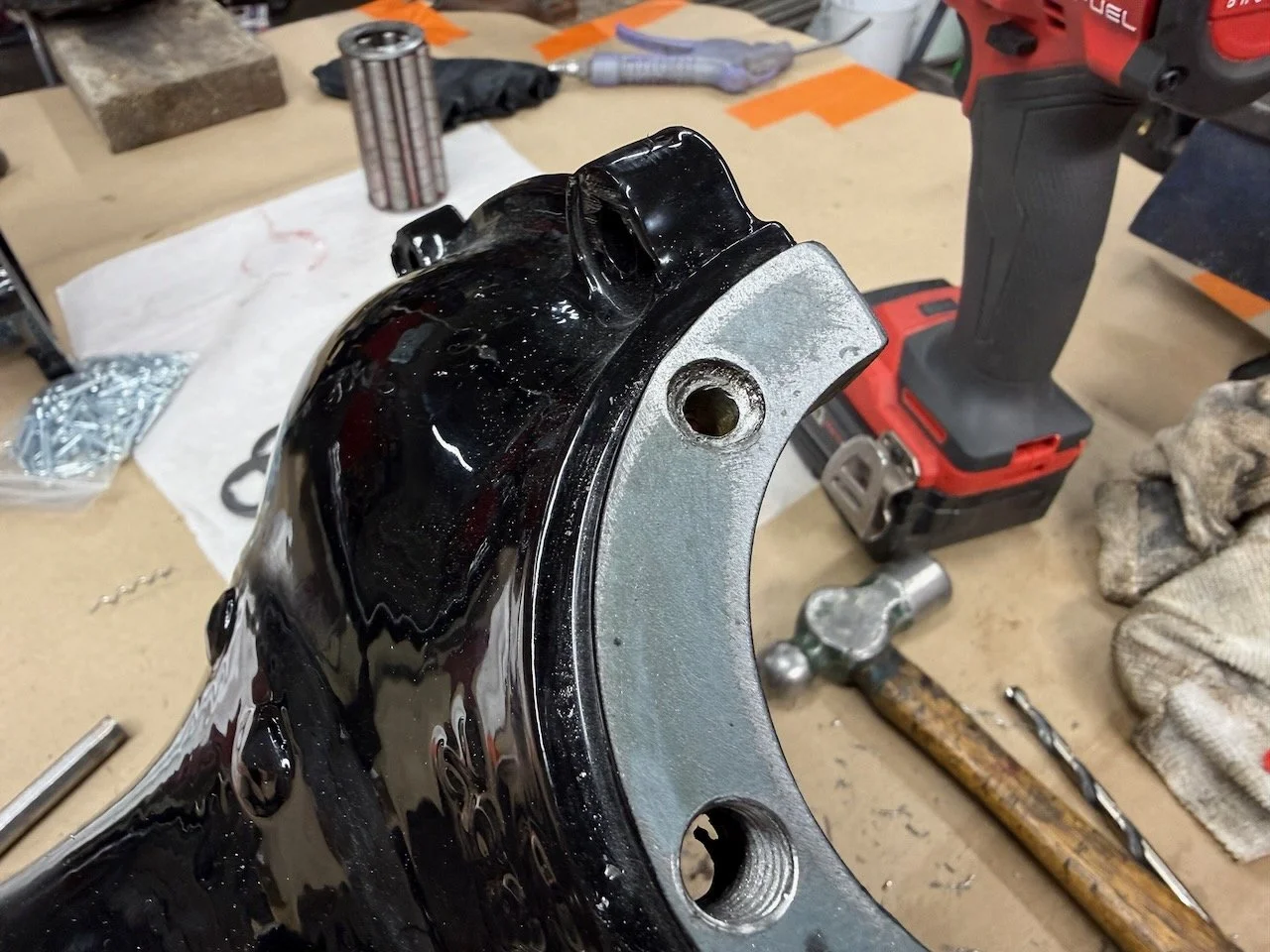
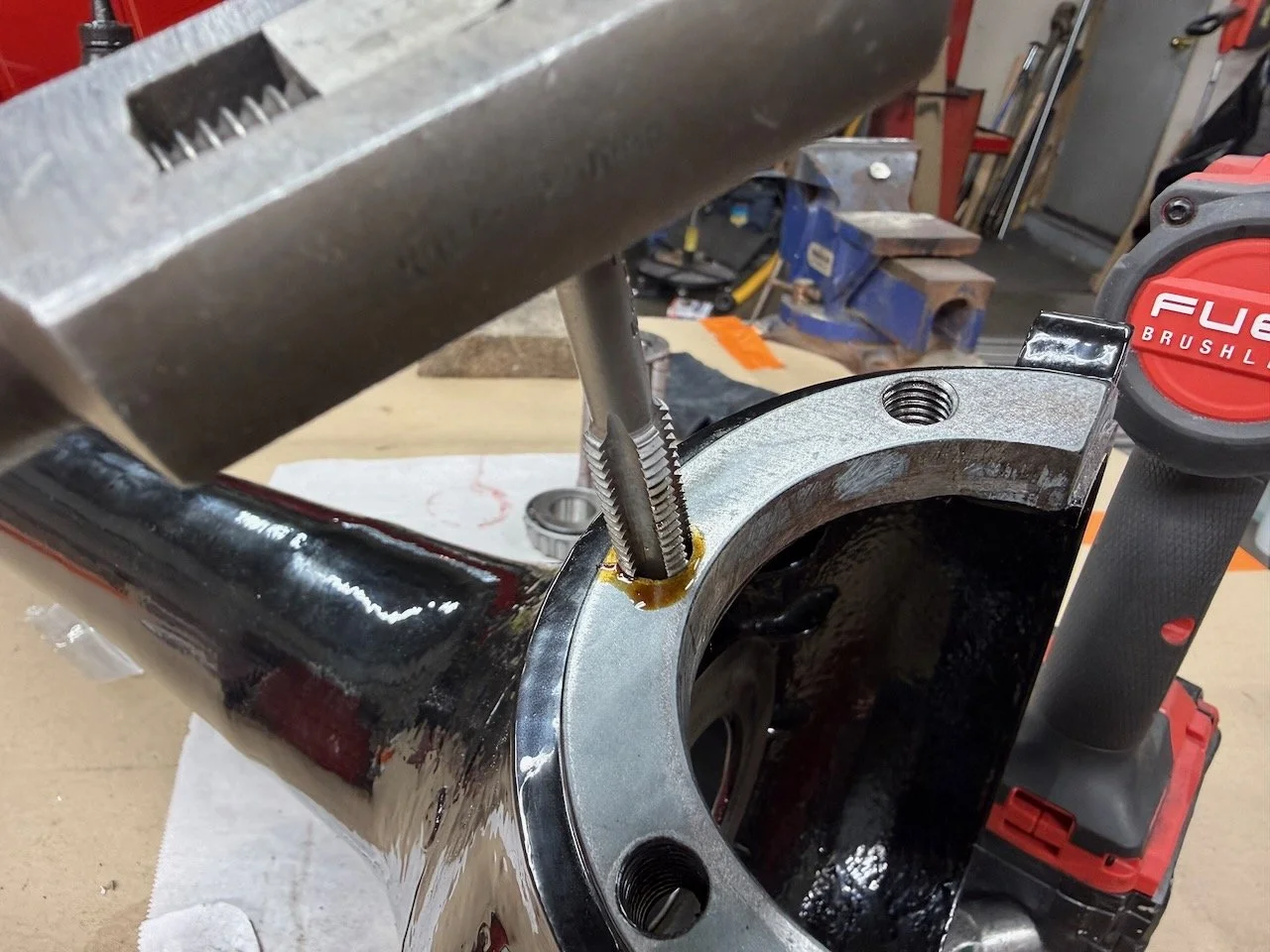
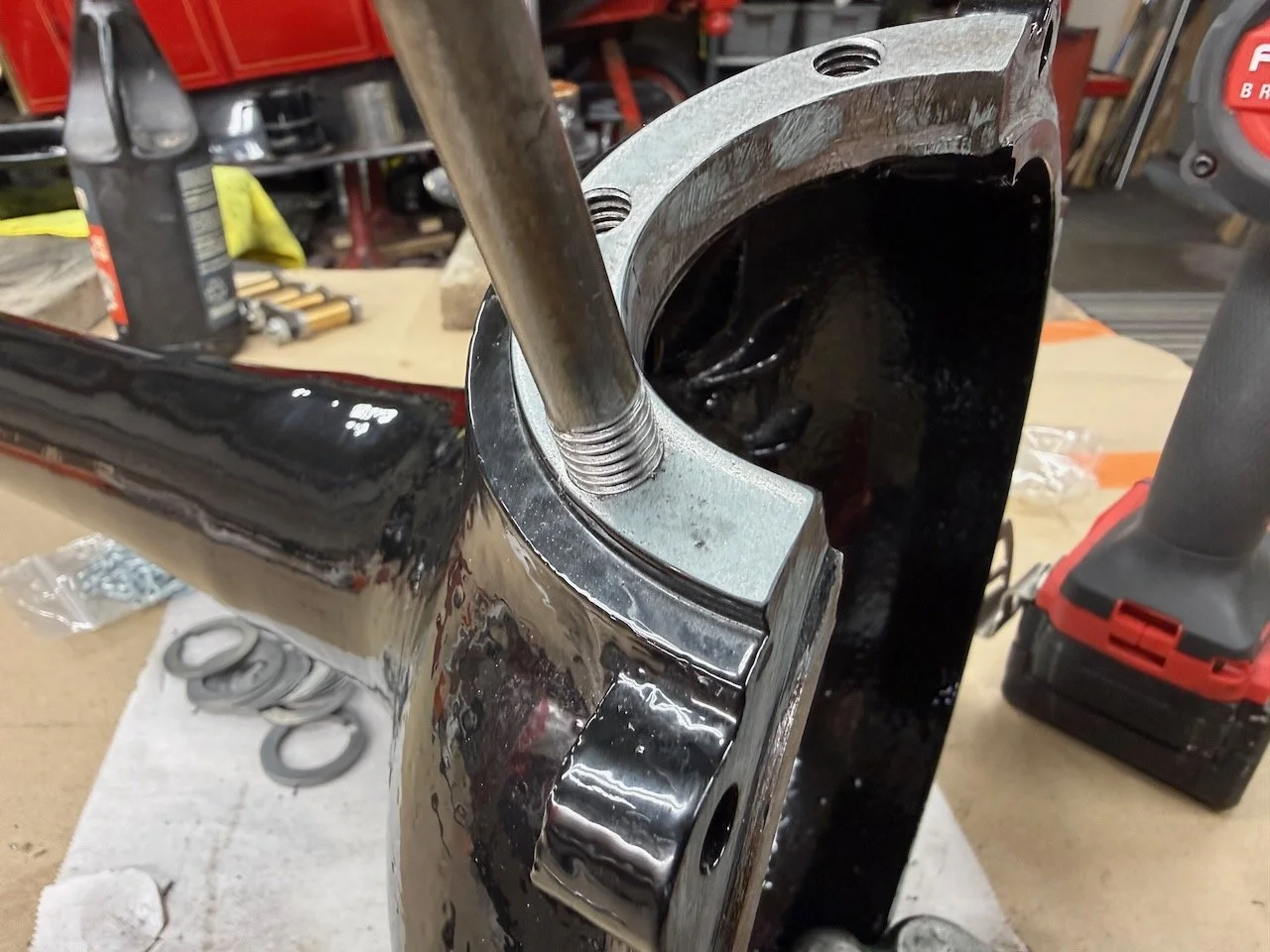
The spool bolts fit extremely tight into the axle housings, so tight that when I attempted to remove one, it broke. I was able to secure the proper custom-made taps from a friend to chase the threads in the housings. For some reason, Ford made the bolts 13/32" in diameter. 3/8" bolts are too loose, and 7/16" bolts are too tight. It was a challenge to remove the broken bolt.
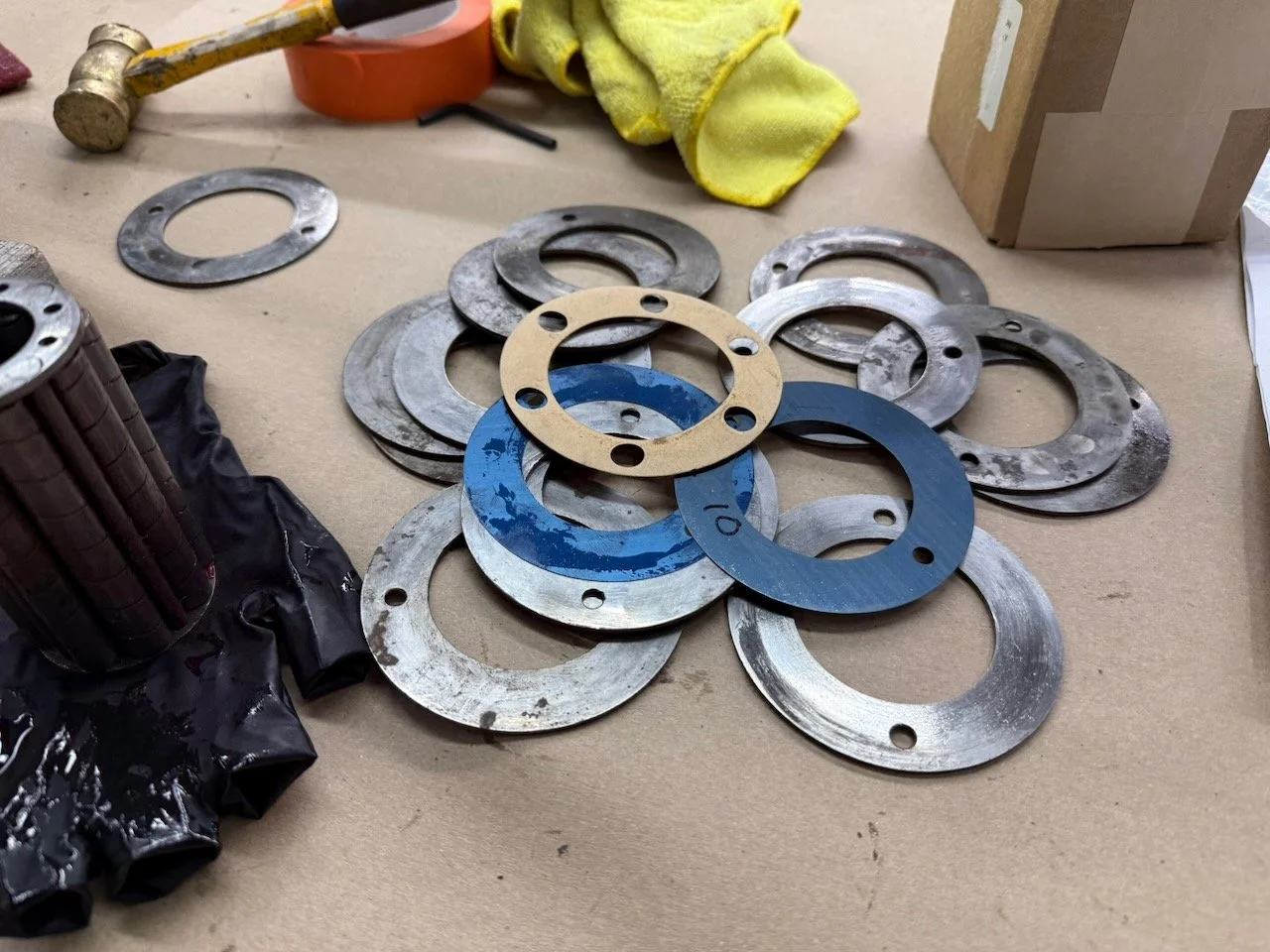
I assembled the new modern bearing drive shaft spool using the available spacer shims. It took a lot of fussing to get the alignment adjusted. I have many leftover, worn, steel thrust washer spacers and picked a combination of thicknesses and the modern hardened .015” hardened steel shim to get the ring and pinion lash just right. That will throw off the upper measurements, but the gear lash is almost perfect. The best of any rear end that I've built.
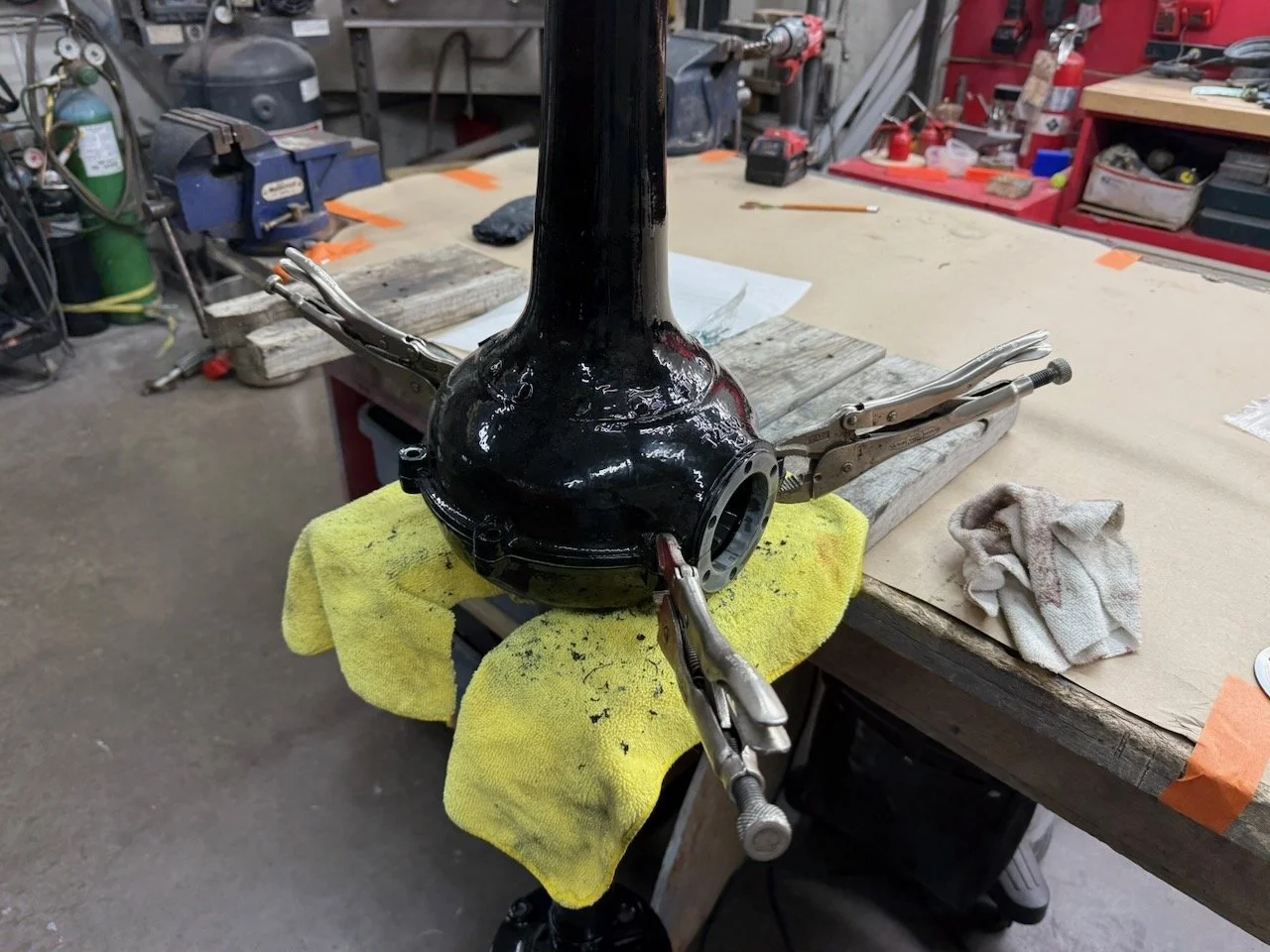
It's difficult to see the movement of the gears, but there is between 5 and 10 thousandths of lash. I measure it by sound and feel.